

In 1926, Dr. Carter G. Woodson launched a weeklong observance that has since evolved into Black History Month—dedicated to honoring the achievements, contributions, resilience, and enduring legacies of Black Americans at a time when their stories were largely marginalized.
America’s park system is recognizing Black history as American history, in February and throughout the year. Your group will discover the people, places, and stories connected to African American history across more than 400 national parks and communities nationwide through National Park Service programs and partners. Here are a few examples:

Learn about one of the newest places added to the National Park System: Medgar and Myrlie Evers Home National Monument, home of leaders in the Civil Rights Movement. The assassination of Medgar Evers in 1963 for his efforts to promote racial equality and social justice was one of the key catalysts for passage of the Civil Rights Act of 1964 as the nation reacted in horror to his death.
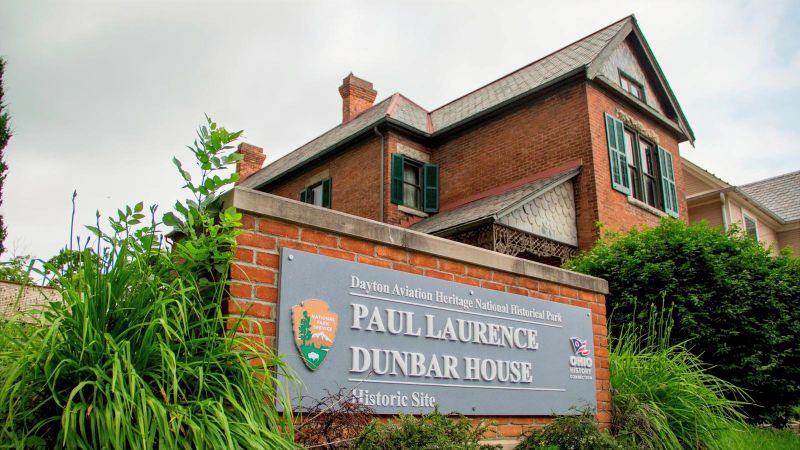
Paul Laurence Dunbar (1872–1906) was a prolific American poet and author, widely known for his dialect poetry and conversational style. During his short career, he produced more than 400 works—including poetry, novels, short stories, and song lyrics—and became the first African American to support himself financially through writing. The Paul Laurence Dunbar House, in Dayton OH is recognized for its strong association with one of the first African American writers to achieve national literary acclaim.
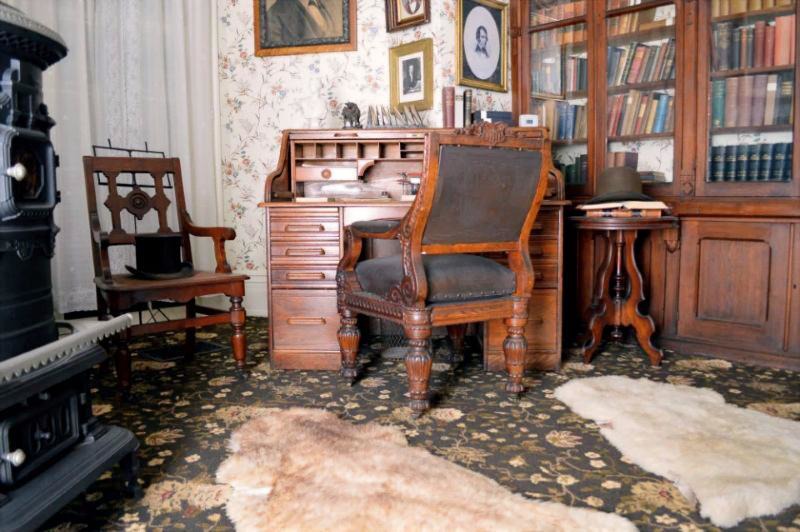
Frederick Douglass’ birthday on February 14 has been a longstanding traditional day of celebration by Black communities, which also influenced the timing of Black History Month. Born into slavery in 1818, Douglass escaped his enslavement and dedicated his life to fighting for justice and equality. He is considered one of the nation’s greatest orators and authors often giving speeches and writing about civil rights issues. The Frederick Douglass National Historic Site in D.C. preserves his legacy.
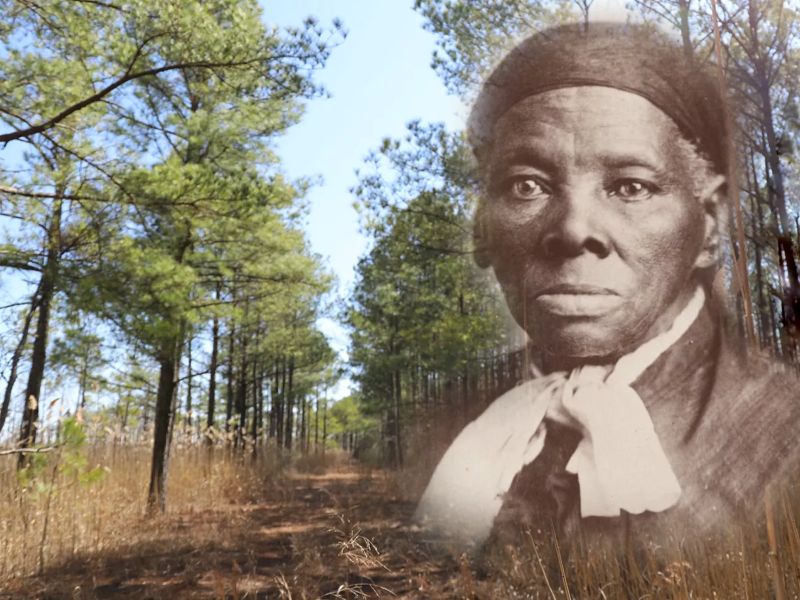
One of the most famous and successful “conductors” on the Underground Railroad, Harriet Tubman was dedicated to causes improving the lives of African Americans, women and people with disabilities. Your group can choose from among multiple sites around the country as they Travel with Tubman, a virtual trip planning tool hosted by the new National Park Service App and highlighting 13 places important to Harriet Tubman’s remarkable life.
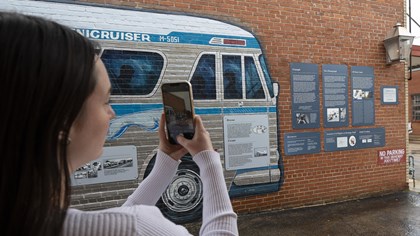
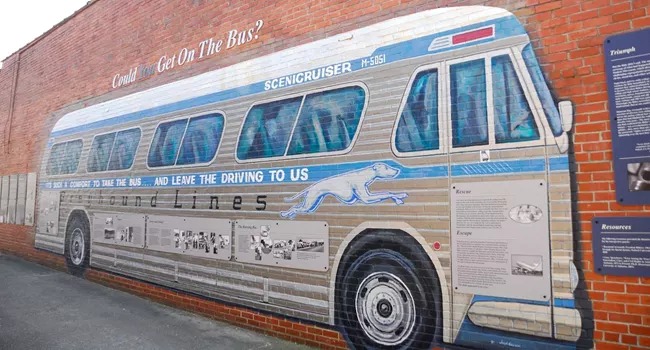
In 1961, a small interracial band of “Freedom Riders” peacefully challenged laws requiring separation of races in interstate travel by riding on buses through states together over seven months. The world reacted in shock as the these buses were viciously attacked, even firebombed. A mural of a bus is painted on a brick wall at Freedom Riders National Monument.
You May Also Be Interested In…
Westward Events & February Dates Honor Black History