


Europe’s latest heatwave is disrupting far more than summer vacations. Across the continent, authorities have canceled outdoor events, closed attractions, issued health alerts and dealt with buckled rail lines and damaged roads as temperatures climbed well above seasonal norms.
Parts of the U.S. are seeing similar challenges, with dangerous heat prompting warnings at destinations that include Grand Canyon National Park. For meeting planners, it’s another reminder that weather planning no longer just means hurricanes and snowstorms.
Extreme heat can affect an event before attendees even arrive. High temperatures have slowed rail service in parts of Europe, damaged roadways and, in some cases, forced changes to flights. Outdoor festivals and public gatherings have been canceled, while museums and other attractions have adjusted hours or closed altogether during the hottest parts of the day.
That makes flexibility increasingly important when building an agenda. Afternoon walking tours, teambuilding activities and outdoor receptions may be better scheduled in the morning or after sunset, while longer breaks can give attendees time to cool down before the next session.
The New Site Inspection Checklist
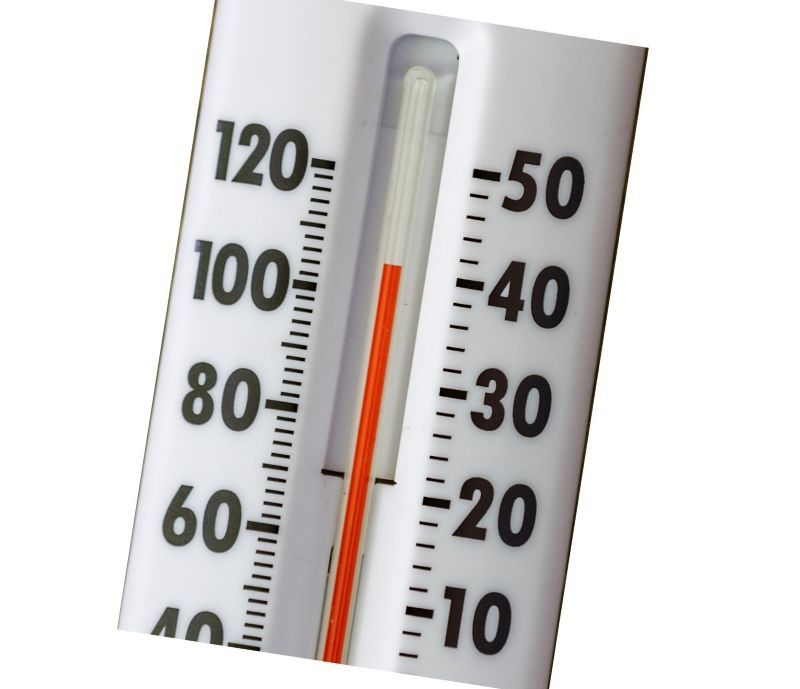 Site inspections are changing, too. Questions that once seemed routine—Does every guest room have air conditioning? How far is the walk between the hotel and convention center? Is there enough shade at an outdoor venue?—are becoming more important when temperatures remain above 95°F for days at a time.
Planners should also remember that air conditioning isn’t nearly as common in Europe as it is in the U.S. Large hotels and convention centers are generally equipped to handle high temperatures, but smaller boutique hotels, historic venues, restaurants and public transportation may offer little relief. That’s worth keeping in mind when selecting accommodations or planning offsite events.
Heat-Proofing Attendees
Attendee communication matters as well. Let attendees know what conditions to expect, recommend lightweight clothing, identify hydration stations and make it easy to find medical assistance if needed. Heat exhaustion can develop quickly, particularly for attendees spending long periods outdoors or walking between venues.
 Of course, not every attendee faces the same level of risk. Older adults, pregnant attendees and those with chronic medical conditions may require additional consideration.
Working closely with venues, DMCs and local tourism officials can also help planners understand contingency plans before problems arise. If local authorities impose restrictions or recommend canceling outdoor activities, having an indoor alternative ready can prevent last-minute scrambling.
Weather experts expect periods of extreme heat to become more frequent, making them less of an exception and more of a routine planning consideration, a variable that can affect transportation, scheduling, attendee comfort and, ultimately, the success of an event.
You May Also Be Interested In…
Why Vail Should Be on Planners’ Radar for Winter Incentive Travel
Nobu Hotel Marbella Taps Into Growing Demand for Wellness-Led Incentive Travel
GWI Launches Global Meetings Wellness Initiative