


Technology defines the modern world and is a major component of most meetings and events. However, some planners have experienced it as both a blessing and a curse. A recent MPI EVENTalks podcast explores some of these experiences.
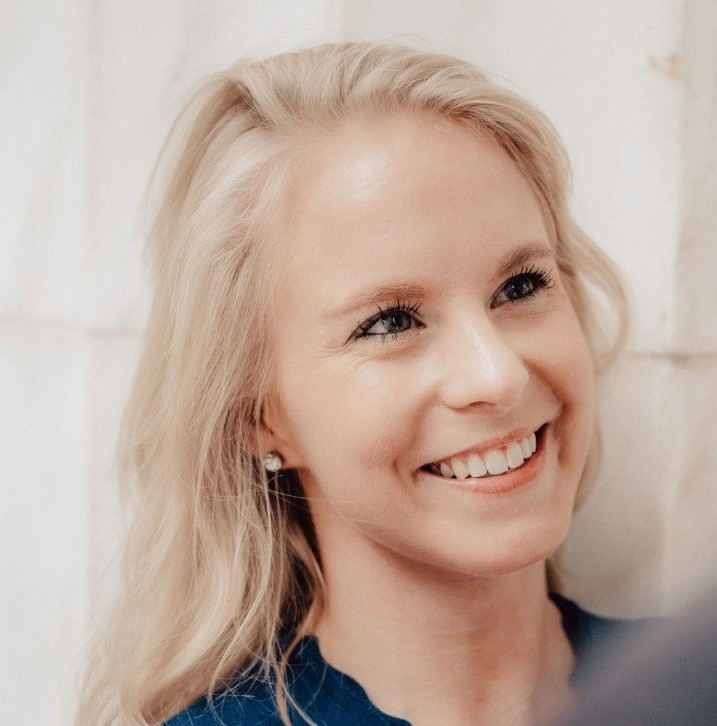
Moderated by Michael Pinchera, Senior Editor for MPI, guests were Allyson Keenan, Senior Manager of Event Technology and Operations at Cvent; and Tammy Bradley, Senior Account Executive at Toronto-based AV-CANADA.
The podcast discussion ranged from onsite technology to planner use of AI, with both women agreeing that the ease of video calls and user-friendly laptops has given some clients the idea that the same technology translates seamlessly to an audience of thousands during an event.
“It gets complicated when someone comes to us an hour before and goes, ‘oh, by the way, we have a virtual presenter.’ Not realizing we need to know this maybe three or four days before we arrive onsite so that we have the equipment there and have it tested,” Bradley says.
That struck a chord with Keenan, who said, “That exact example happened… it was a virtual town hall and an executive asked, ‘can we just, you know, Zoom in this presenter that’s located in Europe?’ I’m like, ‘well, are they set up? Have they practiced? Do we have the equipment?’ If you want that type of experience, it takes time and it has a financial implication.”
MPI: So how are you combating this?
Bradley: It’s a matter of educating the client. Zoom and Teams calls are the base package. If you want something that looks like your your local news network with a virtual presenter, a wicked background and some moving graphics, that’s a whole other level. Now we’re bringing in a portable studio to make that happen. And educating them that, yeah, we can make it look that way, but here’s the cost of it and here’s why.
Keenan: It’s also being able to quantify the worth of the setup. At the end of the day, it all comes down to money. Are you quantifying what that actually relates to in your attendance experience? So you could have this complex, great experience that equals higher satisfaction, and you’d be able to tie it to their buying more of your products.
Relating to event tech, are meeting and event planners doing anything wrong?

Bradley: A lot of planners don’t want to give us the information until it’s final, but that’s too late. We want their draft agenda. I don’t need the five versions between the draft and the final. Give me the first draft and let us work our structure around that because we’re we’re using that as our catalog of content required.
Keenan: I think the reason why planners wait until that very last minute is because they don’t want to put another line item on their to-do list that says, ‘send them the updated version.’

Is there a generational difference in using technology?
Bradley: I have some planners that really great with technology. Then there are other planners that can barely save a file to their computer. I almost feel maybe it comes from their initial education.
Pinchera: Today we have adults who have known nothing but the internet their whole life… I just recently realized that’s a problem as well, because younger adults have only known a very user-friendly internet. I mean, forget about coding. Anything like using your PC, going into a command line or anything like that is so far beyond what they know at this point, because their generation in general just skipped that kind of computer literacy. They went straight to, ‘oh, I know how to find things on the internet, and I know how to upload pictures of what I’m eating.’
Bradley: See, I had to force myself. I’m in technology. I had to force myself to learn. I entered the industry in 1999 when LC projectors were coming into the world. They were very expensive, so a lot of planners didn’t use them as much… but I’m in an industry that forces me to learn. I didn’t know virtual and hybrid very well until I was forced to learn.

Whether relating to AI or not, are there any event tech innovations that you’re especially excited about?
Keenan: I could certainly plug Cvent here because we have so many AI enhancements within our product to make your life easier. Personalization has come so far. Like, we know you. We know what you like, what you don’t like and how you like to digest it. And we’re able to curate that into a better experience for our attendees.
Bradley: AI also helps support inclusivity…programs now give you an option of something like 150 languages. So if English isn’t your first language or you’re hearing impaired, a device can now give you a transcript of what someone’s saying.
You May Also Be Interested In…
New Study Reveals Impact of AI on Business Events
Exclusive: How to use AI for Time-Savings, Productivity and Analytics
Planners, Take Note: Cvent’s Better Note-Taking