


Memorable events intentionally engage all five senses, says ETHOS Event Collective.
Intentional, experience-driven event design is no longer an aspirational trend—it’s the new normal for creating memorable meetings. And sensory-driven design is an essential part of the picture, according to ETHOS Event Collective. This means engaging all five senses: deliberately layering sight, sound, taste, smell and touch into the event environment in ways that enhance and support the experience. “Our creative experts look at how each sensory layer can reinforce a message, influence behavior, or create a more meaningful connection to the experience,” ETHOS Founder and Principal Joe Fijol told Prevue. “It shifts the approach from adding elements to designing with intention, ensuring every detail plays a role in how the experience is felt and remembered.”
Here are top tips from ETHOS Event Collective on how to engage all the senses:
Sight
Visual details have many practical outcomes. Thoughtful use of lighting, color and spatial design captures the attention of attendees and guides them through the program. Subtle shifts in lighting, for instance, can signal transitions between sessions or activities without needing formal cues. Visual elements that evolve throughout the program also help to maintain attendee interest.
Sound
Depending on how it is used, sound can build anticipation, create energy or provide a more relaxed backdrop for conversation. Curated playlists, live music, environmental sound bites and thoughtful volume control can all contribute to a cohesive experience.
Taste
Food is a natural point of connection at any event, and it can be designed in a way that encourages networking and discovery. Examples include interactive food stations, smaller plated offerings and menus featuring locally-inspired cuisine.
Smell
Scent is often an overlooked element in sensory-driven design, notes Fijol. “Scent is closely tied to memory and emotion, yet it’s often treated as an afterthought or skipped entirely,” he says. “When approached with intention, scent becomes a memory anchor. It can reinforce a moment, a destination, or even a transition within a program. We’ve found that when scent is layered thoughtfully—whether tied to arrival, a specific experience, or a takeaway—it extends the life of the event and captures attendees’ attention immediately.
Touch
Incorporating elements that attendees can physically engage with adds a deeper layer to the overall experience and helps shift them from observing to actively participating. These tactile experiences can take many forms, from interactive installations to hands-on workshops and CSR activities. Whether it is assembling items, building something collectively or engaging with materials tied to the destination, activities that involve direct participation feel impactful.
Pulling it Together
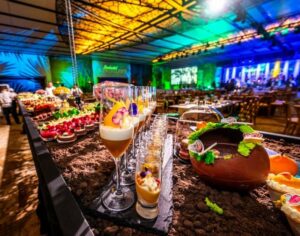
How to integrate all five senses into an impactful event experience? Fijol shares an example inspired by the Everglades, “where every sensory element worked together to create a cohesive environment. From a scent perspective, we infused the space with notes of vetiver and moss through both diffusion and fog, creating an atmosphere that immediately grounded guests in the setting. That was paired with ambient sounds of the Everglades, visual storytelling through local wildlife photography, and environmental design elements that reflected the landscape. Even the culinary component was intentional, with desserts created to mimic the texture of the environment, adding a tactile layer that guests could physically interact with. What made the experience effective wasn’t any one element on its own, but how they were designed to work together.”