
Katie Moser Stuck explains how wellness can be incorporated into events — and why it’s critical for getting your message across to attendees.
Meetings and events are essential for learning and networking, but no one can deny that they also can be exhausting for attendees and event staffers alike. Even the most health-focused find it difficult to eat, sleep and exercise as they normally would once they’re taken out of the normal daily routine.
Meeting and event planners know this, and they do try to infuse some elements of wellness into the agenda, but it’s not always easy to find the right balance — especially when the definition of what healthy behavior is likely varies widely from attendee to attendee.
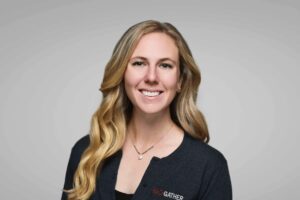
Prevue recently sat down with Katie Moser Stuck to learn more about wellness at events, something she is passionate about in her work as Director of Marketing & Business Development at experiential marketing and event management company GoGather, where she also supports GoGather’s client events.
Prevue: What exactly are we talking about when we talk about wellness at meetings and events?
Stuck: Generally speaking, there are five key areas to wellness: sleep, food, sunlight, movement and an agenda that builds in opportunities to rest and recharge. A lot of these elements can be lacking at events, when attendees are in a convention center or hotel for 15 hours attending sessions and networking and probably not sleeping as much between staying up late networking and getting up early for sessions.
Prevue: Let’s start with the agenda. How can planners build in these wellness elements without completely revamping their agendas?
Stuck: Sleep is a good place to start. Obviously, you can’t make attendees get enough sleep, but if you assume people might be out later than they would in their normal routine, maybe start sessions a little later, especially if you have people traveling to the event from other time zones. If you have an evening event that will go late, just shift the agenda so you start the morning schedule a bit later the next day. Even if they get up early, they can use that extra time to go to the gym or get a walk in or at least catch up on work before they start the official programming.
Prevue: Can you talk a bit about arrivals? I know that for me, I’ve had to hit the ground running after a long flight through multiple time zones and participate in opening receptions that run late into the evening. You want to do everything, but it’s challenging when you start off exhausted before the event even officially kicks off.
Stuck: This is difficult, because we have to pack so much into the short period of time together, and you want to maximize what people can get out of the program, especially if they’re paying to attend. But it’s important to understand that you need to give people a little time when they arrive to unpack and get situated before they come down to participate in a welcome event. Instead of a big, super crazy-busy welcome reception, think about building in some smaller group sessions that those who arrive early can go to, then slowly ramp up to that big reception.
The most important thing is to understand where your attendees are traveling from, what their preferences are in terms of big bash or something more low-key. But it is helpful to build in a buffer so people can drop off their luggage and change and maybe have a minute to themselves before jumping into things.
Prevue: How else can you build in downtime beyond the arrivals?
Stuck: If you’re in a large hotel or convention center, attendees usually can’t trek all the way back to their room to get 20 minutes of quiet. Planners can accommodate that by having relaxation stations available within the event space. It doesn’t have to be elaborate, just quiet places people can decompress and not be expected to participate or network.
Also, build a little space between sessions into the agenda. Or maybe give them a little time after lunch to go outside or have a walk.
It’s all about finding that balance between giving them all the content and networking they signed up for and the quiet time they need to be able to absorb it all.
Prevue: But not everyone wants that downtime, right?
Stuck: True. You will have those who want it, and those who don’t care or don’t need it or find wellness in other ways. Some may want sessions outside so they can get some sunshine and fresh air, some may not. Some may want to have smoothies during a break while others want cookies and popcorn.
The key is to understand how your attendees want to find wellness. It all comes back to understanding what is important to your audience and what they value in their daily lives.
Prevue: Speaking of cookies and popcorn — there’s an understandable urge to give people what makes them feel good, not necessarily what’s going to be the healthiest option for them. How do you juggle that?
Stuck: It’s all about having options. Obviously, there are limitations because you have to work within a budget, but you can still offer healthy food and beverage options. Sometimes you can get a sponsor to help support some of the wellness options, such as an afternoon break smoothie station. This can go beyond food and beverage too. I would encourage everyone to look at how you can bring some of the new trends into your event as an engagement activity, such as an aromatherapy or herbal tea station where they can create their own blend to take home.
Back to food and beverage: Options are especially important at lunch — you don’t want to feed them a carb-heavy lunch that will put them to sleep during the afternoon sessions. Give them healthy proteins, some fruit and vegetables, and if they want chips, then cool, include those too. Find that balance.
And remember that not everyone agrees on what is healthy. That’s probably the hardest piece of wellness — it’s so personal and varied. Sometimes you have to cater to audience preferences, even if you personally don’t think they’re the healthiest options.
You May Also Be Interested In…
Wellness for Real: Top Tips for Meetings and Events
Short on Sleep? Try a Nappuccino
Meetings with a Wellness Touch
Image by freepik.com