
With the FIFA World Cup in the spotlight this year, taking on the planning opportunities inherent in such a massive event might seem impossible. A word to the wise: don’t stop at the top. Dig deeper to find how you can get in the game.
Sports are basically a year-round world of gatherings, brand moments and business conversations that never really stop. The planners who get that are the ones quietly building a very profitable niche.
The headline events, like Super Bowl, the Olympics and international tennis/golf championships, are in the sports stratosphere for good reason—they draw together decision-makers, brand investments and media attention in a way no boardroom can replicate.
Executive retreats, VIP hospitality programs, sponsorship activations and curated media experiences are all in the sporting neighborhood. For planners, the strategic opening lies in architecting the spaces and moments where meaningful business actually happens.
However, the real opportunity for planners isn’t in the marquee events; it’s just below them.
Beyond the Spotlight
Emerging major and secondary leagues like MLS and the NWSL are building their fan bases, sponsor relationships and event calendars at an impressive pace. Consider this: more than a dozen U.S. cities have brand-new, dedicated soccer stadiums, including St. Louis and Cincinnati.
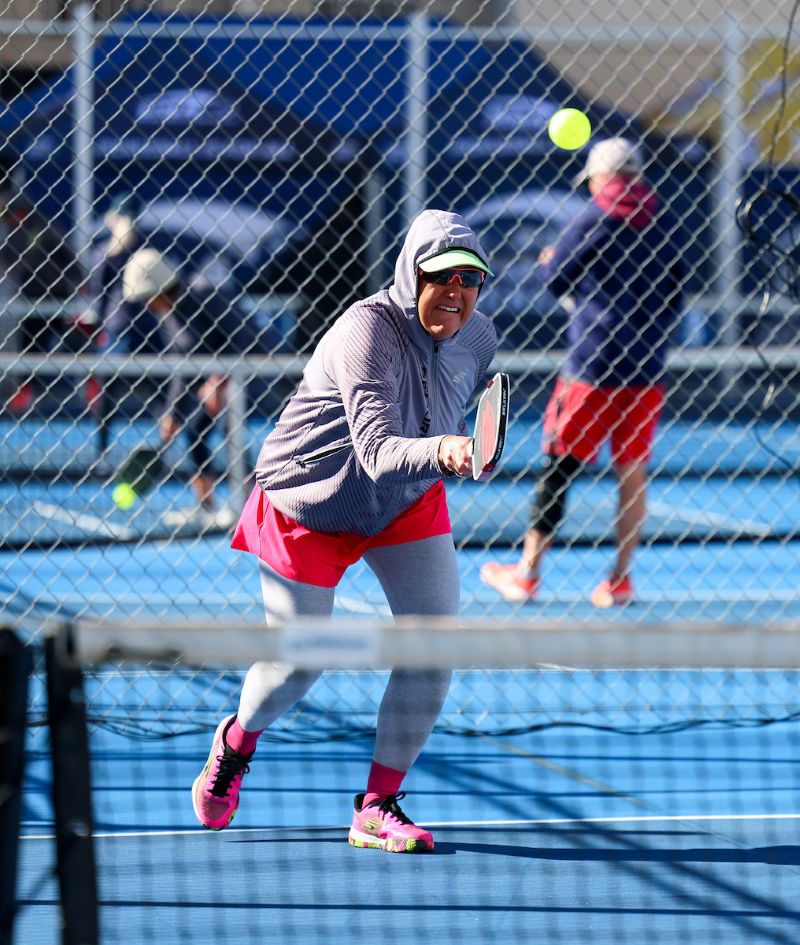
Newer organizations like USA Pickleball are creating demand where none existed before. And across all these emerging teams and leagues, there are needs to be met: media days, sponsor summits, fan festivals and leadership retreats. In addition, these leagues tend to be more flexible and far more open to creative partnerships than their established counterparts.
True, youth, amateur, and collegiate sports aren’t flashy, but almost nothing—from recessions to the weather—can stop them. They’re about as reliable as it gets. Tournaments, showcases and travel leagues bring the same guests back year after year, fill hotel rooms, stretch out stays and leave room for extras like opening ceremonies and parent programming. For planners, that kind of steady business is hard to come by, especially during off-peak seasons.
Meanwhile, sports-driven corporate events are a market in their own right, with branding opportunities tied to product launches, sales meetings and experiential activations. Add in sponsorship summits, athlete endorsement events and sports technology conferences to widen the playing field even farther. These clients aren’t shopping for logistics. They want environments that feel as charged and purposeful as the sport itself.
But don’t overlook performance-focused gatherings either—including training camps and coaching clinics—which are starting to overlap with wellness and high-performance culture, allowing planners to bring real added value by incorporating nutrition, recovery and holistic programming, rather than simply handling the basics.
Then there are the fans. In fact, fan engagement has become an event category in its own right, with fantasy sports conventions, sports betting conferences and analytics summits drawing loyal attendees year after year—exactly the long-term clients that planners and venues can appreciate.
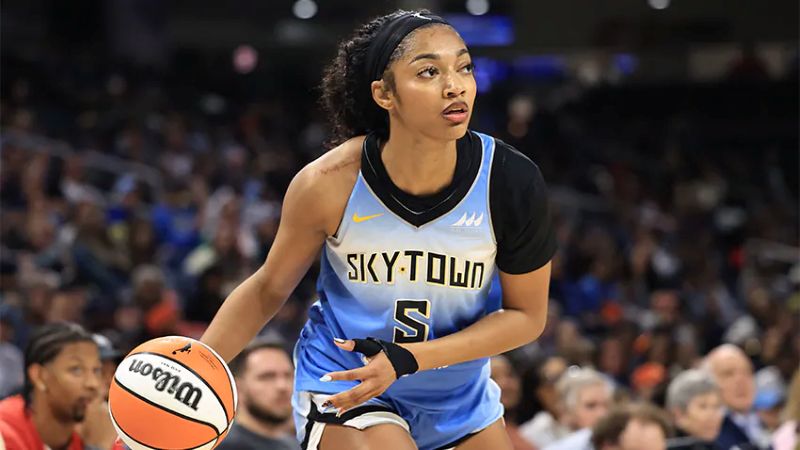
But the biggest opportunity may be in women’s sports. Investment is up, media coverage is growing, and attendance—especially in expanding leagues like the WNBA—is breaking records. Put your clients in the picture with group photos on center court, post-game free throws or even a post-game autograph session. WNBA teams offer unique, close-up fan experiences that are often difficult to secure in other leagues.
You May Also Be Interested In…
Fan Fest Turns Royalton Resorts Into FIFA Game-Day Hubs
2026 World Cup Could Spike International Tourism
Cities Leaning into Sports Events