

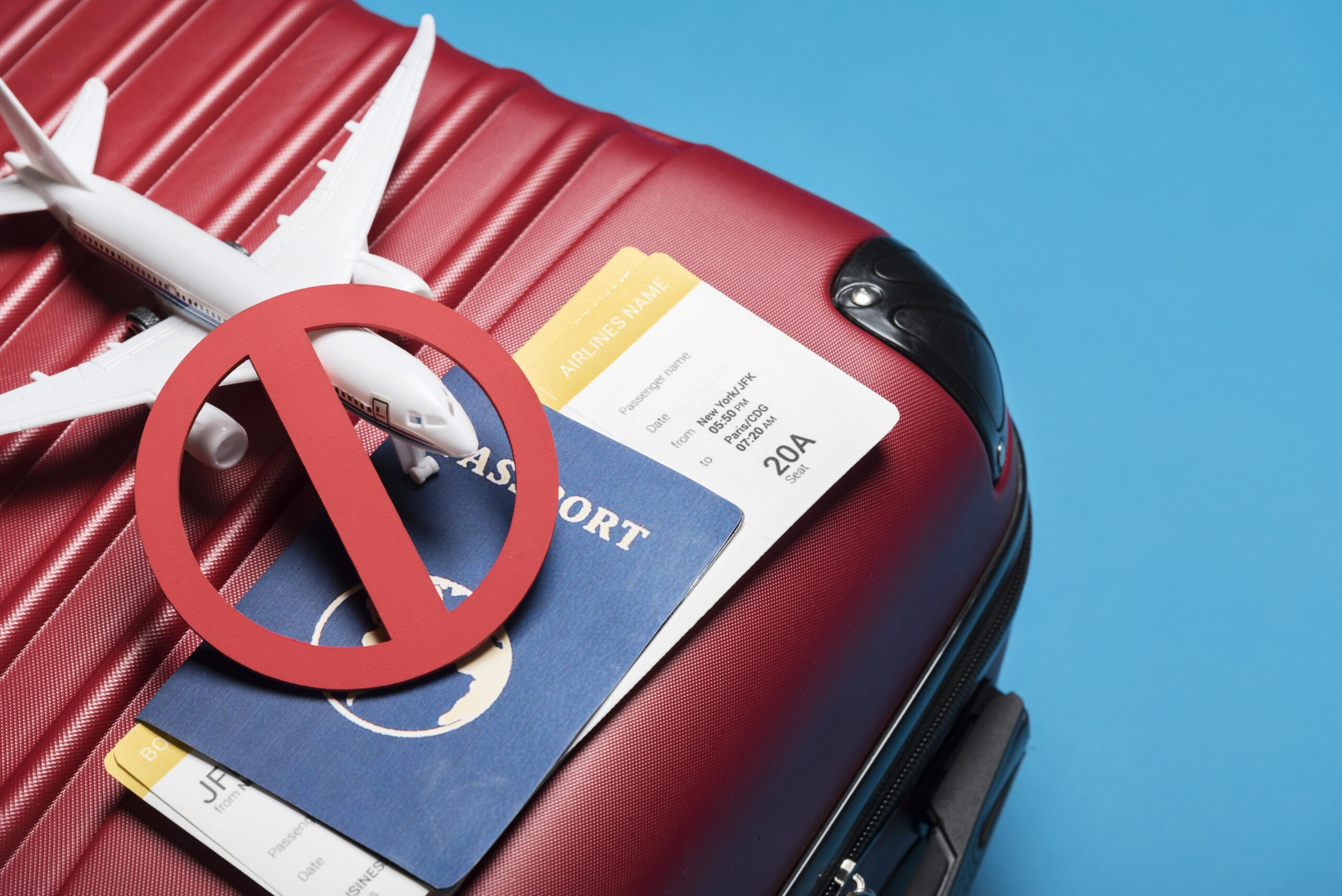

International business travel is declining largely due to changes in U.S. policy.
International business travel is projected to reach nearly $2.9 trillion by 2029, according to a recent study by Euromonitor conducted in March and April this year. But the U.S. may get an ever-decreasing piece of that multi-trillion-dollar pie as total inbound arrivals to the U.S. fell by 14% in March this year, compared to March 2024. The research predates recent actions by the U.S. government, however, causing the study to note, “Increased concerns, market volatility and uncertainty could potentially impact the business travel industry in 2025 and the forecast period.”
They appear to have already hit the overall U.S. tourism market, according to a study from the World Travel & Tourism Council (WTTC) last month that found the U.S. was the only country of the 184 countries surveyed to anticipate international visitor spending decline in 2025 — which could mean a loss of up to $12.5 billion in international visitor spending year over year. “While other nations are rolling out the welcome mat, the U.S. government is putting up the ‘closed’ sign,” Julia Simpson, president and CEO of WTTC, said in a statement.
International business travel appears to be a significant piece of that overall international travel loss, according to a new survey by the Global Business Travel Association (GBTA), which tracks the sentiment and impact of U.S. government actions on business travel.
Compared to GBTA’s April 2025 poll, the just-released survey finds a continuing drop in optimism across the business travel sector. While 67% said they were feeling optimistic about business travel when they were polled last November, that number dropped to 31% in April, and decreased again to 28% in the July poll. Optimism for the remainder of 2025 remains muted, both globally and regionally.
Companies are acting on that lack of optimism by cancelling, relocating and even taking meetings virtually rather than hold them in the U.S. Eighteen percent said they have canceled U.S.–based meetings, up from 13% who said the same in April. Another 17% said they have canceled events, up from 10% in April. Thirteen percent said they were relocating meetings (13%, up from 8%) or events (12%, up from 6%) outside the U.S., while the number of respondents who said they have canceled sending employees to U.S.–based events have doubled from 10% in April to 20% in July.
Respondents told GBTA the main driver behind their decision to reassess travel plans, tighten budgets and move to markets outside the U.S. are recent developments in U.S. policy such as trade tariffs, entry restrictions and cross-border advisories. While higher travel costs and increasing administrative burdens continue to be a drag on business travel, the July survey found increasing concerns in the areas of safety and duty of care (46%) and border detentions (31%), both up 9% since the April survey. Budget cuts (44%) and a decreased willingness of non-U.S. employees to travel to the U.S. also were up 4% in July over April.
This is not surprising given that 18% of travel buyers globally say employees have declined U.S.–based business trips due to concerns related to U.S. government actions. More than a third of global respondents (35%) say they personally know someone whose travel has been affected by U.S. policy changes—up from 23% in April.
“This latest poll shows the business travel industry and corporate travel programs and professionals actively adapting to shifting geopolitics and evolving U.S. policies. While overall demand currently remains resilient, the results underscore how economic uncertainty and U.S. government actions continue to send ripple effects across the global travel landscape,” said Suzanne Neufang, CEO, GBTA.
More than a third of buyers also reported that they anticipate reducing travel volume — up 5% from the April study. International business travel is expected to be hit particularly hard, with 49% saying they expect declines in their international business travel versus 23% for their domestic/intra-regional business travel – citing anticipated decreases, on average, of 19% and 21% respectively. However, the spend outlook is only slightly more negative, with 31% of buyers expecting declines in their company’s business travel expenditures versus 27% in April.
Suppliers also are feeling the pain. Nearly half (48%) of global travel suppliers say they now anticipate revenue losses (up from 37% three months ago). The concern is most acute among lodging suppliers, with more than half (58%) anticipating revenue decreases.
You May Also Be Interested In…
Tariff Uncertainty: A Timeline
New Cvent Global Report: Where is Business Travel Going?
How Shifts in Federal Policies Are Affecting Business