


Trade shows continue to play an important role in incentive travel business development, but attendees don’t necessarily measure their value in the same way.
Across the industry, building relationships narrowly edges out generating new business as the leading reason to attend, while priorities vary considerably among buyers, suppliers and destination organizations, according to new research from the Society for Incentive Travel Excellence (SITE).
The latest SITE PULSE survey, Trade Shows and Business Development, yielded 747 responses, the largest return in the history of the series. Its initial analysis focuses on 657 respondents across four core groups: Buyers, hotels and suppliers, destination management companies (DMCs), destination marketing organizations (DMOs) and convention bureaus.
Asked to identify the single most important function trade shows serve for their business, 43.3% of buyers selected building and deepening existing relationships. This rose to 52.4% among agencies and incentive houses.
Lead generation and building the sales pipeline was the leading priority for hotels and suppliers (38.7%), DMCs (43.4%), and DMOs (44.4%).
What Corporate Buyers Look For
Corporate buyers also differed from their agency counterparts. Their priorities were more evenly divided between contracting and closing business (25.7%) and deepening relationships (24.8%), with a further 17.8% selecting education and development.
In a media statement, Pádraic Gilligan, Head of Consultancy and Research at SITE, noted that “a full appointment diary can represent very different ambitions for the people sitting on either side of the table. For an agency, the most valuable meeting may be with a trusted partner who understands its clients. For an exhibitor, the priority may be meeting a buyer for the first time. Understanding those expectations can help everyone make better use of their time at a show.”
How Important is Education?
Education and development ranked fourth overall, selected by only 9.3% of respondents as the most important function of trade shows. The figure was 15% among buyers, 4% among hotels and suppliers, 5.7% among DMCs and 2.2% among DMOs and convention bureaus.
Gilligan said the relatively low ranking raises questions about the investment trade show organizers make in educational programming.
“Education represents a substantial investment of time, budget and expertise for trade show organizers, so its relatively low ranking deserves attention… Organizers need evidence of whether education influences attendance decisions, improves professional practice or contributes to business results, alongside measures of session attendance and satisfaction,” he said.
The Future of Major Trade Shows
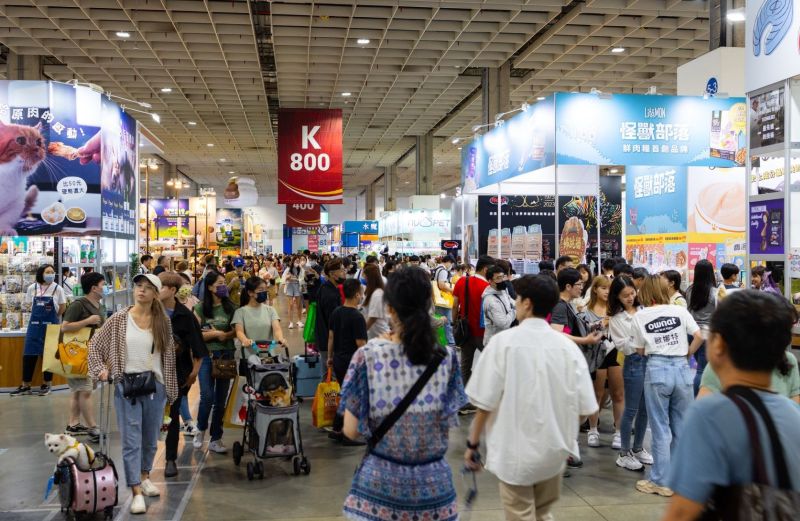 The research also found strong confidence in the future of major trade shows. Almost six in 10 respondents (59.5%) expect them to grow in importance over the next three years, while 24.0% expect their role to remain broadly the same. Only 3.5% anticipate a decline.
Cost and budget constraints were the biggest challenge in getting value from trade shows, selected by 46.1% of respondents. Time away from work and clients followed at 18%, with difficulty demonstrating return on investment cited by 16.4%.
These pressures varied across the industry. A third of agencies (33%) identified time away from work and clients as their biggest challenge, while hotels and suppliers were the group most likely to cite difficulty demonstrating ROI (24.1%). Cost remained the leading challenge for each of the four core audience groups.
Gilligan added: “There is a strong vote of confidence here in the future of face-to-face business development. The challenge is to make that investment work harder.”
See the full report at SITE Global.
You May Also Be Interested In…
Pre-Event Strategies to Boost Attendance
Amex GBT: Where Meetings Are Headed in 2027
ROI: Executive Buy-In Just the Start