
Story Updated at 10 p.m. EST.
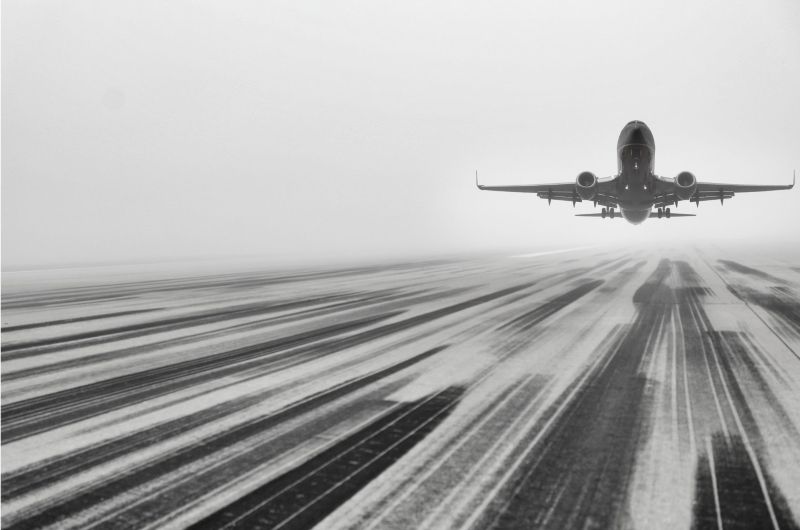
Ongoing winter weather continues to disrupt air travel across the U.S, with widespread delays and cancellations affecting major hubs and regional airports alike.
According to flight-tracking data, more than 10,000 flights nationwide have been delayed or canceled since the storm intensified on Dec. 26. As of 2:00 p.m. ET on Dec. 29, nearly 700 flights had been canceled, while more than 4,800 flights were delayed.
Airports in the New York metro area—including JFK, LaGuardia and Newark—remain among the hardest hit. Chicago O’Hare also experienced significant disruption, logging more than 650 delays due to lingering ice and snow. In Buffalo, more than half of the day’s scheduled flights have been canceled.
Additional impacts have been reported at airports in Atlanta, Cleveland, Detroit and Minneapolis–St. Paul. In response, most major U.S. airlines—including American Airlines, Delta Air Lines, United Airlines and JetBlue—have extended weather-related travel waivers.
Affected passengers are generally permitted to rebook flights through Jan. 2, 2026, without change fees or fare differences, though policies vary by carrier.
Severe Winter Weather Over the Weekend
Snow fell across parts of Colorado, Wisconsin and Minnesota Sunday morning, while rain with gusty winds and lightning extended from Iowa into the Ohio Valley. Video from Minneapolis showed heavy snow accumulating on already snow-covered ground.
A strong line of storms was projected to develop Sunday evening from the Great Lakes into the mid-South, potentially causing travel delays in Chicago, Indianapolis, Detroit and Memphis.
Five million people across Illinois, Indiana and northwest Kentucky remain under a slight risk for severe weather that could produce damaging wind gusts, large hail and multiple tornadoes. As of Sunday afternoon, five preliminary storm reports had come in across central Illinois.
Wind alerts are in effect for 138 million people across the country, with gusts expected to range from 35 to 45 mph. Gusts could reach up to 65 mph locally. Affected cities include Dallas, New Orleans, St. Louis, Chicago, Buffalo and Philadelphia.
This system will bring snow and rain to the Midwest and Great Lakes on Sunday afternoon, lingering into Monday morning.
Parts of Iowa, Minnesota and the Dakotas will experience blizzard conditions from high snowfall rates and 40 mph wind gusts, making travel difficult.
Wisconsin and the Upper Peninsula of Michigan are also expected to see hazardous travel conditions through the overnight hours. In addition, wraparound snow will target parts of Michigan and the eastern Great Lakes through Monday.
Residual lake-effect bands will persist downwind of Lake Erie and Ontario through Tuesday, bringing 3 to 6 inches of snow with up to 14 inches locally. The Upper Midwest was expecting 3-9 inches of snow, with some areas reaching 20 inches.
Freezing rain hit Pennsylvania and New York Sunday afternoon, continuing northeast overnight. The system will affect New England through Monday evening before moving offshore early Tuesday.
According to Flightaware.com, as of Sunday evening, there were 7,765 total delays within, into, or out of the U.S., with total cancellations at 687. Anyone flying on Monday or Tuesday should check with their airline before heading to the airport.
You May Also Be Interested In…
FAA Selects Peraton to Overhaul U.S. Air Traffic Control
Trump Kills Consumer Flight Delay Compensation Plan