

Post-con engagement is more important now than ever before — so much so that it could be said to define event success.
Today’s meeting and event planners know that the event doesn’t end when the lights go down and attendees head back to the airport. In an era where audiences expect continuous value and organizations demand measurable ROI, what happens after the event is often just as important as the onsite experience. That’s because effective post-event engagement extends learning, deepens relationships and turns one-time participation into long-term community loyalty — all of which are key indicators of success for meetings and events.
Why Post-Event Engagement Matters More Than Ever
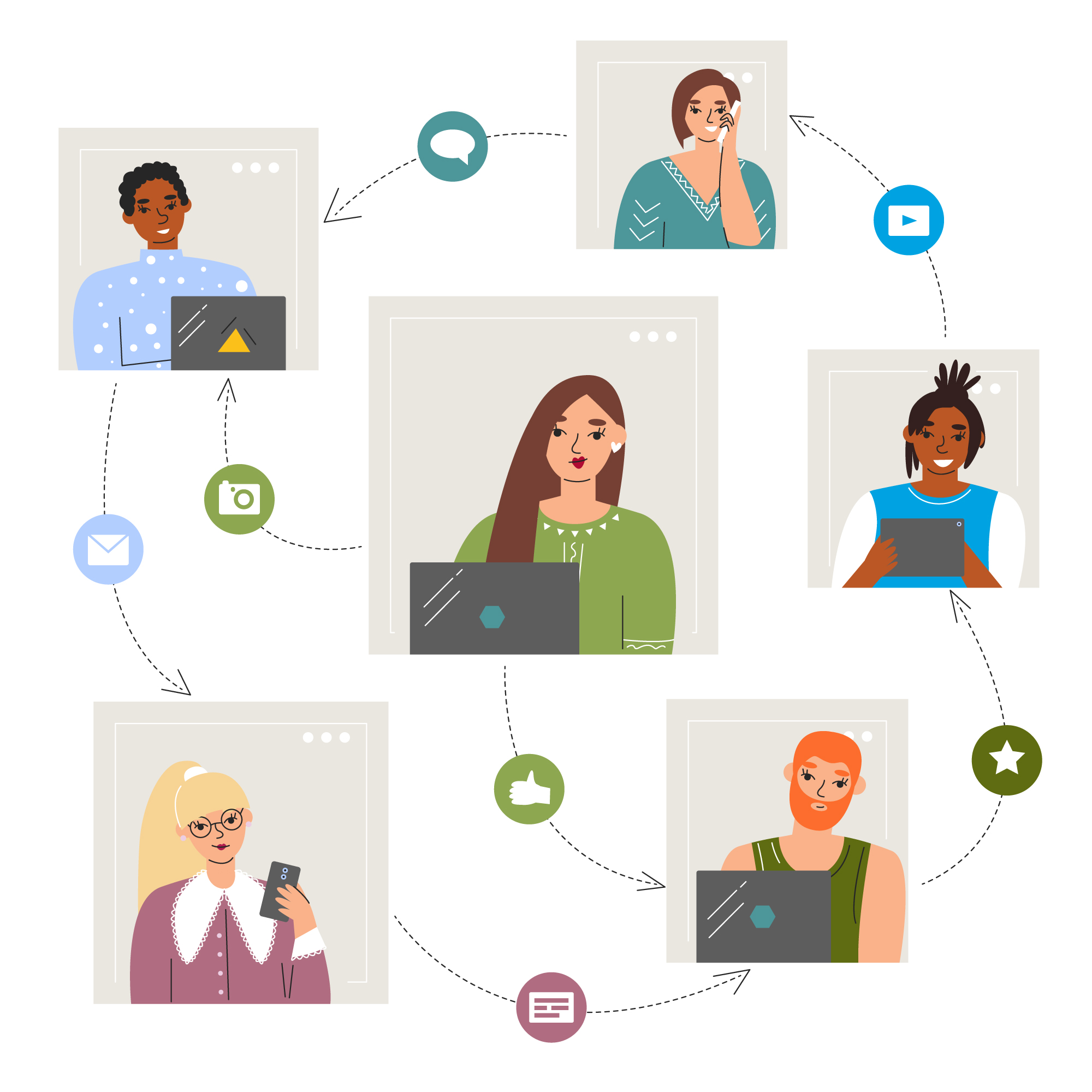
Post-event engagement sustains the momentum, energy and emotional connection built onsite. By staying present in attendees’ inboxes, feeds and communities, planners help reinforce key insights and encourage participants to keep applying what they learned.
Even more to the point, when attendees continue to engage post-con, they tend to retain more of what they learned — and want to return for more of the on-site experience in the future. Attendees are much more likely to return, as well as recommend the event to others and engage with future programming, when they feel supported through follow-up content, continued access to speakers and relevant resources.
From a marketing and business development perspective, post-event communication also prevents the familiar drop-off that happens once attendees leave the venue. Instead of letting interest fade, planners can guide participants along a clear journey from awareness to decision through targeted content, meaningful next steps and timely touchpoints.
Ongoing engagement also fuels community-building. Attendees who stay connected to one another and to the host organization tend to be more likely to amplify the organizer’s brand, contribute user-generated content and help organically expand the host organization’s reach. Meanwhile, post-event feedback provides rich data planners can use to improve future meeting formats and content tracks and even help better fine-tune budget allocations.
The benefits for both planners and the organizations they work with include:
- Stronger relationships and retention. When meeting organizers continue to provide value post-con, the takeaway for participants is that the organization cares about their long-term success, not just collecting their registration dollars. This builds trust, which in turn builds repeat participation.
- Better data for smarter decisions. Organizations can use insights gathered through surveys and behavioral analytics to better understand what resonated, what fell short, and which audience segments show the most promise. They then can use these insights to strengthen future program design and develop more targeted marketing.
- Increased revenue and pipeline impact. Thoughtful nurture sequences convert event interest into memberships, sponsorship renewals, product sales, course enrollments and other revenue streams by keeping the organization relevant and top-of-mind.
Post-Con Engagement Tactics
Effective post-event strategy doesn’t have to be complex. Planners can:
- Send timely, personalized thank-you messages with session recaps, links and tailored next steps.
- Deploy concise, well-designed surveys that communicate how attendee feedback will be used.
- Share exclusive content, such as bonus Q&As, extended presentations, behind-the-scenes videos and early access to new offerings.
Other easy ways planners can facilitate continued engagement include:
- Hosting live post-event Q&As or debrief sessions.
- Offering opt-in communities through Slack, listservs, social spaces or member hubs.
- Encouraging user-generated content, from photos to social posts. The organization then can reshare selectively to add to the perception that participants belong to a community that cares about what they think.
But it’s not all about creating conversation and community. For revenue-driven organizations, post-event engagement doubles as strategic lead nurturing. When they can segment attendees by session participation, content interaction, role, or buying stage, planners can craft and send highly relevant follow-ups, from new micro-events and case studies to educational resources.
Promoting future meetings while enthusiasm is still high — and offering incentives such as early-bird access or loyalty pricing — helps convert post-event goodwill into the next round of registrations.
Strong post-event engagement transforms events from momentary experiences into year-round value engines. For planners, mastering this phase means stronger communities, sharper insights, and a measurable boost in organizational impact.
You May Also Be Interested In…
Crafting Networking That Really Works
How to Leap the Planner-Attendee Value Gap