
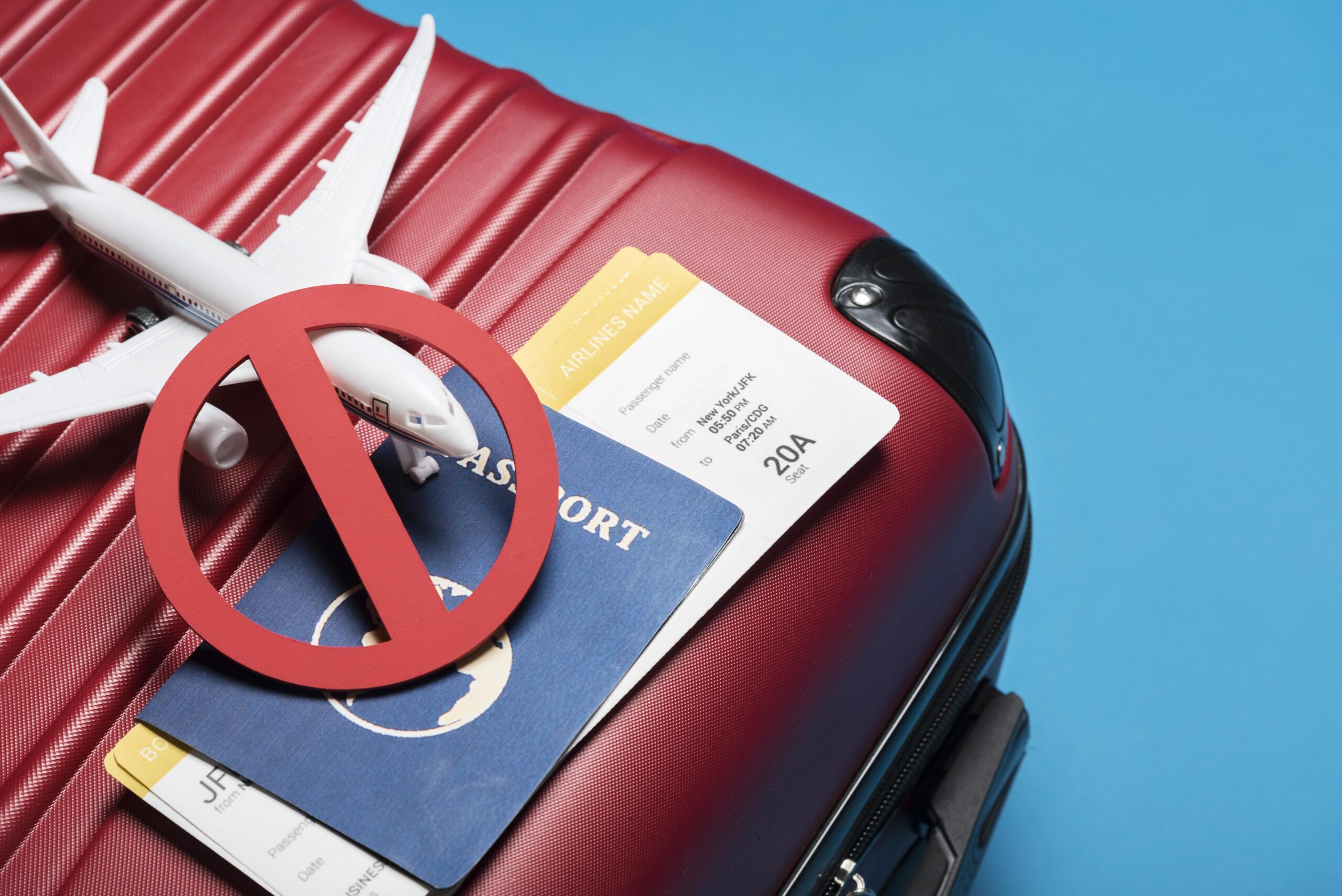
The recent U.S. actions in Venezuela, resulting in brief restrictions in commercial air travel, likely disrupted meetings as well as vacationers.
Early January brought an unwelcome reminder that geopolitics can ripple quickly — and unexpectedly — through the meetings and incentives landscape. Short-term flight restrictions imposed by the FAA following U.S. military action in Venezuela triggered widespread airlift disruption across Puerto Rico and the Eastern Caribbean, stranding tens of thousands of travelers and complicating arrivals and departures for business events at the height of the winter season.
While headlines focused on leisure travelers, cruise passengers and canceled flights, the shutdown likely had a similar impact on meetings, conferences and incentive programs being held in the area, though specific examples are not publicly available at press time.
According to multiple aviation and travel reports, the FAA issued a temporary NOTAM on Saturday, January 3, closing portions of Eastern Caribbean airspace to U.S. carriers due to safety-of-flight concerns. The result was hundreds of canceled and delayed flights across key gateways including San Juan, Puerto Rico, St. Thomas, U.S. Virgin Islands, and popular meeting and incentive destinations such as Aruba, Curaçao, St. Maarten, St. Lucia and Barbados. More than 300 flights were reportedly canceled in San Juan alone, stranding roughly 48,000 passengers in a single day. (Sources: CNBC, Reuters, USA Today, Aerospace Global News)
For planners, the timing likely proved to be particularly challenging. The disruption coincided with peak holiday and winter travel, which also is prime season for corporate meetings, association programs and incentive trips that rely on Caribbean hubs and nonstop airlift. Any program turning over on January 3–4 or beginning with arrivals during that 48–72-hour window, likely faced delayed speakers, late or missing attendees, shortened agendas or unplanned extensions as participants waited for seats to open up.
Airlines issued waivers and offered rebooking options, but limited aircraft availability meant some travelers experienced multi-day delays. As always during a widespread disruption like this, any event teams on the ground at the time had to do some real-time problem-solving: shifting session schedules, compressing programs and/or pivoting to hybrid solutions when key participants could not arrive as planned.
The good news: The most severe restrictions were short-lived. By late January 3 into January 4, the FAA lifted the broad airspace ban, and carriers began restoring schedules and adding extra capacity to clear backlogs. Within a few days, operations largely normalized. Still, for programs operating during that narrow window, the impact may have been costly.
For planners looking for lessons learned, the takeaway isn’t panic — it’s preparedness. The disruption underscores the importance of strong air contracts, real-time communication plans, flexible arrival patterns, and close coordination with DMCs and host hotels. It also reinforces the value of contingency planning for destinations that depend heavily on airlift through a limited number of gateways.
January’s Caribbean disruption didn’t derail the meetings industry, but it did provide a timely reminder: Even brief airspace closures can have outsized effects on tightly choreographed programs. Smart planning doesn’t eliminate risk, but it can make the difference between a major disruption and a manageable detour.
Planner Checklist: What to Review After a Disruption
When airlift interruptions hit — whether from weather, labor actions or geopolitical events — the real work often starts after flights resume. Use this checklist to assess impact, stabilize programs and reduce risk going forward.
Air Contracts and Blocks
• Review airline group contracts for force majeure language, rebooking flexibility and name-change allowances
• Confirm whether unused air segments can be credited or reapplied to future programs
Arrival and Departure Patterns
• Identify how many attendees missed arrivals or experienced multi-day delays
• Assess whether staggered arrival windows or earlier peak-day arrivals would reduce exposure for future programs
Hotel and Venue Flexibility
• Confirm extension policies for stranded attendees, including negotiated group rates beyond original program dates
• Review attrition clauses and minimums in cases where attendees could not arrive or programs were shortened
Agenda and Content Resilience
• Evaluate which sessions or activities were most vulnerable to late arrivals or speaker delays
• Identify opportunities to build in modular agendas, repeat sessions or hybrid options as backup
On-Site Communication Flow
• Audit how quickly attendees received updates and through which channels (SMS, app alerts, email)
• Confirm who has authority to approve real-time changes when leadership is in transit or unavailable
DMC and Destination Coordination
• Debrief with DMCs and local partners on what worked and where bottlenecks occurred
• Ask destination partners for anonymized data on group disruption trends to inform future site selection
Risk Planning for Future Programs
• Revisit contingency plans for destinations dependent on limited air gateways
• Document lessons learned and integrate them into internal SOPs for meetings and incentives
Disruptions are inevitable. The difference lies in how quickly teams can adapt — and how effectively they build resilience into the next program.
You May Also Be Interested In…
New U.S. Policy for Biometric Checks on Foreign Travelers
Poll: Travelers Seek Easier Security, More ATC Support
2026 World Cup Could Spike International Tourism