

For meeting and incentive planners, the question about artificial intelligence is becoming less about whether to use it and more about where it belongs.
Which tasks can it handle effectively? Which require close review? And which should remain firmly in human hands?
Two recent reports released by Cvent offer some perspective. One, Less Mindless, More Meaningful: What AI Is Actually Taking From Event Work—co-produced with Meeting Professionals International (MPI)—estimates that roughly 40% of event work can be supported or handled by AI. Transactional administration, data and reporting account for much of that work, while essential strategy and relationship-building remain human-led.
The report draws on findings from Cvent’s own events team and offers a blueprint for deciding which tasks to delegate to AI and how to get started. Its release coincides with the launch of Cvent’s Center for Event Insights, a new initiative focused on research and best practices for the events, hospitality and technology industries.
A second report, Event Performance Landscape in the Age of AI, commissioned by Cvent from Forrester Consulting, looks at the broader business impact. Among its findings: 59% of organizations use AI to create event content, but only 26% report significant improvements in outcomes. The results were stronger for pre-event marketing strategy (46%) and data analysis (44%).
The research also found that 7 in 10 respondents believe events are more important now because there is so much AI content online.
Together, the findings raise a useful question for planners: Are they simply adopting AI, or are they getting meaningful value from it?
Start With a Task, Not the Entire Event
The MPI Report recommends beginning with one task, measuring the results and expanding from there. That approach gives planners a way to test AI’s usefulness without handing over an entire workflow at once.
An initial test might involve asking AI to organize internal notes into a draft action list or turn an approved event brief into a first-pass planning checklist. To measure success, teams shouldn’t focus on how fast a draft appears. Instead, they should track the time spent writing prompts, checking the response and fixing mistakes, while noting what the tool may be missing. Speed is irrelevant if the final product is error-prone.
Separate Assistance From Authority
The distinction between AI-supported and AI-owned work is particularly important. The MPI report doesn’t place every task in the same category. It identifies transactional administration, data and reporting as areas where AI can take on more responsibility, while keeping essential strategy and relationship work human-led.
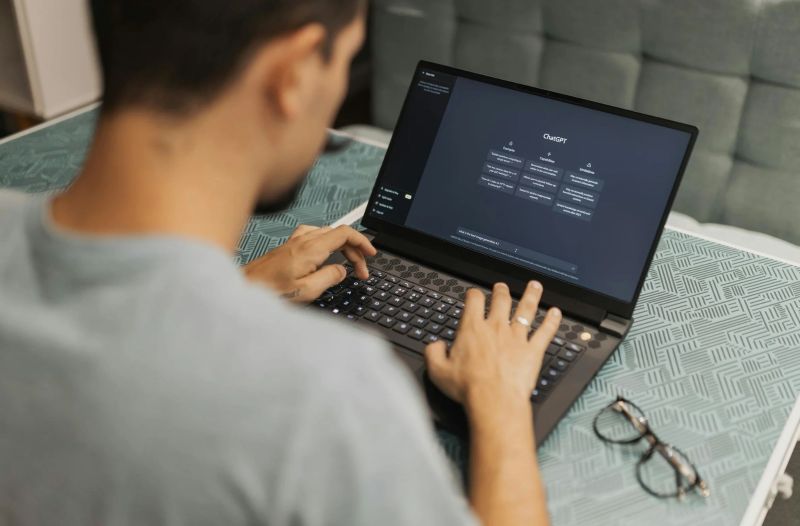 A planner testing that distinction could allow AI to prepare an internal draft while reserving approval and action for a designated team member. Preparing a proposed supplier message, for example, is different from authorizing the system to send it. Organizing information for a decision is different from allowing the tool to make that decision.
Before beginning a trial run, teams could establish three boundaries: What information the tool may use, what output it may produce and who must approve the result. Those boundaries make it easier to assess the task itself rather than giving the technology an open-ended assignment.
Keep the Experience Human-led
The report makes clear that planners have an important role beyond reviewing machine-generated work: Deciding what an event should achieve and how its people, setting and experiences should support that purpose.
For an incentive program, that might mean using AI to organize a working itinerary without asking it to determine what will make the reward meaningful to a particular group. For a meeting, it could mean using a tool to structure an agenda draft while the planner decides which conversations deserve more time and which participants need to be involved.
AI can help with the preparation, but planners are responsible for the decisions that make an event meaningful to its attendees.
Measure What the Saved Time Makes Possible
Perhaps the most useful question for using AI is, what would the team do with the time recovered?
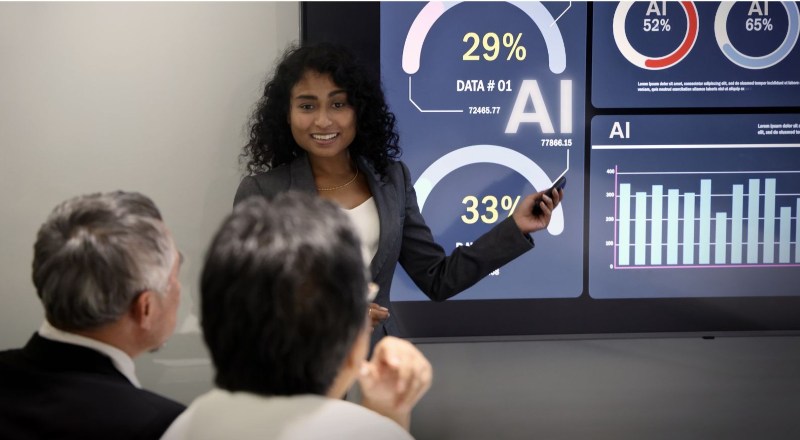 A planning organization could establish that goal before testing a tool—whether it’s more time for supplier discussions, closer attention to participant needs or a more thorough review of contingency plans. The evaluation would then consider both the efficiency of the task and whether the change supports better planning.
The roughly 40% estimate in the MPI report isn’t a universal productivity promise or an indication that every organization can reduce its workload by that amount. It’s a starting point for examining which tasks AI can support and which responsibilities require human leadership.
For planners, the next step doesn’t have to be a sweeping technology overhaul. It can be one defined task, a clear approval process and an honest assessment of whether the result makes the work better.
See both reports at eventinsights.com.
You May Also Be Interested In…
Why Event Planners Are the Next Generation of Influencers
How AI is Disrupting Hospitality and the Workforce
MICE Trends 2027: 4 Priorities Planners Should Prepare For