
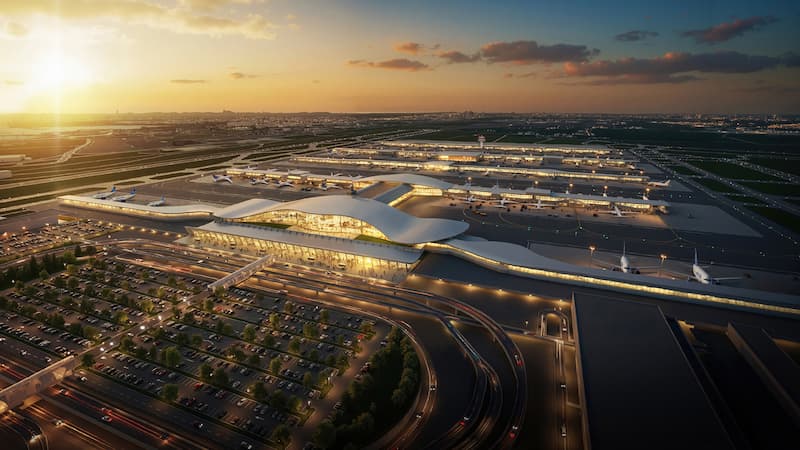
Washington Dulles International Airport is set for a sweeping transformation following the announcement of a more than $20 billion modernization initiative.
The project is a partnership between the Metropolitan Washington Airports Authority (MWAA), United Airlines and the U.S. Department of Transportation, following the federal government’s selection of the joint proposal after reviewing more than 30 airport modernization submissions.
Major Upgrades Planned
The modernization program includes a wide range of improvements:
- Modernized check-in facilities and TSA security checkpoints
- New and renovated concourses that will replace C and D concourses
- Expanded AeroTrain service to improve connections throughout the airport
- A rebuilt international arrivals concourse with upgraded customs facilities
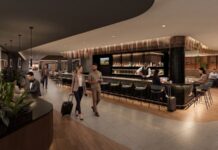
- New shopping, dining and lounge options
- A new baggage handling system
- Additional United Airlines lounge space, including one of the airline’s largest Polaris Lounges worldwide
- The expansion is expected to create thousands of jobs, increase flight capacity, and support continued international growth at Dulles.
Construction Already Underway
Later this year, Dulles will open the first phase of Concourse E, adding 14 United Airlines gates with direct access to the AeroTrain, new passenger lounges and expanded dining and retail options.
In a press statement, United Airlines CEO Scott Kirby said, “Washington Dulles is the gateway that connects the nation’s capital to the world, and this transformation builds on United’s long-term investment in our hub to deliver the world-class airport experience our employees, customers and millions of travelers deserve.”
The transformation will occur in phases, with the Airports Authority and United Airlines, along with other airlines and airport partners, working together to advance construction while Dulles International continues to operate safely and reliably for travelers.
Once completed, the phased redevelopment will add or renovate more than 5 million square feet of terminal space while preserving the iconic design of architect Eero Saarinen’s main terminal.