
Serving up global cuisine for groups.
[ON LOCATION: CANADA] LISA SIMUNDSON
Toronto’s culinary scene has evolved into one of the world’s most compelling dining destinations for meeting and incentive travel, blending Michelin-level dining, neighborhood character and a growing reputation for “quiet luxury.”
As Prevue discovered on a recent FAM, the city is positioning itself as more than a convention destination—it’s a full-scale lifestyle experience built around food, culture and hospitality.
With more than 15,000 restaurants and food establishments representing cuisine and culture from across the globe, Toronto offers planners extraordinary range, from high-end omakase counters to vibrant neighborhood food halls.
Unveiling its fourth edition last September, the Michelin Guide Toronto & Region has become a major benchmark for the city’s dining credibility, evaluating restaurants based on product quality, mastery of techniques, harmony of flavors, personality and consistency.

“[It] amplifies that story globally, drawing culinary travelers while inspiring local chefs, teams and investors to expand the city’s offerings,” says Andrew Weir, President and CEO of Destination Toronto. “In doing so, it strengthens neighborhoods economies, supports jobs and fuels Toronto’s growing visitor economy.”
Beyond Michelin Stars, planners can also look to Bib Gourmand distinctions for value-driven excellence, Green Stars for sustainability-focused experiences and Recommended restaurants for standout dining experiences.
Destination leaders in Toronto say the city’s food scene is now central to its broader tourism strategy. According to recent figures from Destination Ontario, food and beverage spending accounted for nearly one-third of total visitor spending, underscoring the economic importance of culinary tourism.
Neighborhood Deep-Dive
Downtown Toronto’s distinct neighborhoods provide planners with highly curated experiences tailored to different group personalities and program goals. In upscale Yorkville, travelers can explore designer boutiques and acclaimed restaurants like Sushi Masaki Saito, Enigma Yorkville and Osteria Giulia, while staying at premier properties including the Four Seasons Hotel Toronto or the Hazelton Hotel.
Meanwhile, West Queen West and Ossington offer a more creative, arts-driven energy, anchored by iconic properties like the Drake Hotel and Gladstone House. Restaurants such as Prime Seafood Palace, La Banane and Linny’s reflect the district’s contemporary, chef-driven personality.
In the Entertainment District and King West, Toronto’s “quiet luxury” movement is redefining upscale hospitality. The new Nobu Hotel & Residences Toronto has been described as a “sanctuary in the sky,” offering understated sophistication and skyline views of the CN Tower and Lake Ontario, not to mention the signature restaurant that launched the brand to worldwide prominence in the first place.
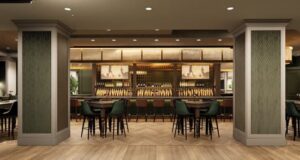
“If you book 50 percent of the rooms, you can use the restaurant as a meeting space,” says Katy Elliott, the hotel’s Director of Sales. “Groups can have everything from private dining to Bento Box events.”
Our group sampled elevated takes on classic dishes at Honey Chinese—King West’s only Chinese restaurant—set in Portland Square, a heritage building that also includes private event space. In neighboring West Queen West, Lyla’s offers an incredible brunch, with a menu featuring braised short rib hash, smoked salmon Benedict, avocado toast and pancakes with fresh berries.
Meanwhile, Prevue’s host, the Chelsea Hotel—which at 1,588 rooms is Canada’s largest property—just welcomed the new Elm Tavern, designed as a fresh take on the British classic pub, reimagined through a distinctively Canadian lens.
In addition to comfort food that feels nostalgic yet fresh and, from the bar, small-batch spirits from a family-run micro-distillery, Elm Tavern offers a variety of event spaces including The Parlour, complete with billiards and dart boards; and The Canopy, a lush, greenery-filled dining environment ideal for seated dinners, cocktail receptions and elegant events. Just off the restaurant, The Terrace outdoor patio can host up to 100.
Outside Toronto’s downtown core, Greater Toronto expands into a culinary landscape of flavors and styles, from Koreatown to Little Jamaica, Greektown to Little India and across its many Chinatowns.
Interactive Dining Experiences
Further enhancing group and incentive dining, the city also offers flexible culinary venues and experiential food-focused concepts. Waterworks Food Hall, for one, combines international food kiosks with dedicated event areas, allowing groups to enjoy the energy of a dine-around experience alongside centralized gathering space for receptions, networking or private functions.
“We offer full buyouts for up to 1,300 and by the end of the year it will be 2,000,” says Alisa Civiero, Sr. Event Sales Manager. “We have 15-plus live stations, so you get to see people making food and drink.”
Besides the cavernous main space and breakout function rooms, Waterworks offers a VIP room with its own entrance and staircase, accommodating 100 people cocktail-style.
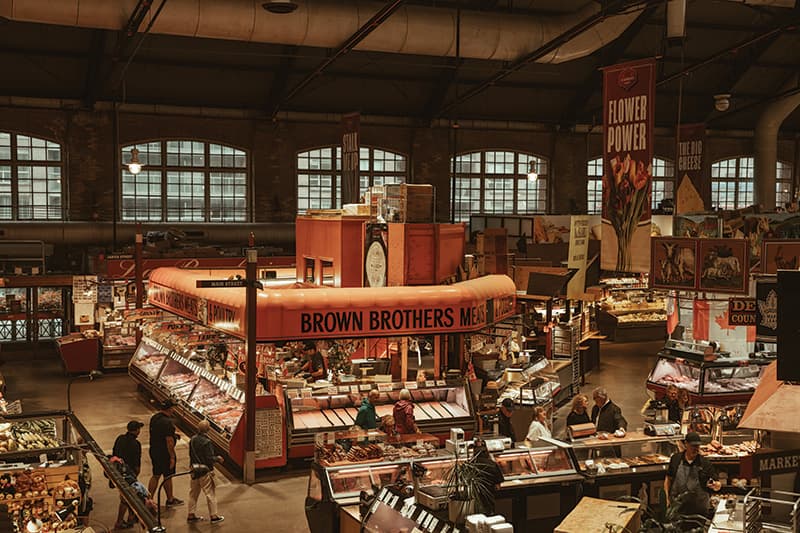
Toronto’s celebrated St. Lawrence Market remains a favorite for immersive culinary programming, with tasting tours and group experiences that showcase the city’s multicultural identity. Together with the newer North Market across the street, St. Lawrence boasts 150+ vendors showcasing everything from the Carousel Bakery’s famed Peameal Bacon sandwiches to sweet baked goods, fresh produce and even fresher oysters.
Your group could easily wander the market on its own, but we got the complete experience with Culinary Adventure Co., whose founder Kevin Durkee took us on a foodie’s dream excursion through artisan cheeses, berries and maple syrup, Arctic char and smoked salmon and even monkfish caviar, eaten in the “caviar bump” style—slurping a spoonful off the fist between the thumb and index finger.
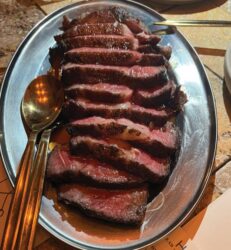
Our final night was spent at The Hamptons, which is located in Toronto’s Little Italy neighborhood but projects an eclectic, New Age vibe with a menu of hyper-seasonal, innovative dishes and wine pairings. Ensconced in a private dining room downstairs, we savored Salt Spring Island mussels, Savoy cabbage with stinging nettle pesto, aged Alberta steak and wild mushroom cavatelli finished with lime mousse and olive oil carrot cake.
destinationtoronto.com/meetings