
Insights from IMEX Frankfurt: Cruising is undergoing a quiet but significant reset.
On the way out are set itineraries and predictable formats, as Millennial and Gen Z travelers bring different expectations, values and behaviors onboard. For cruise lines this shift influences everything from ship design to programming, partnerships and storytelling.
At the heart of this change is a move away from passive consumption toward participation. Younger travelers are less interested in being entertained and more interested in being involved. Onboard experiences are becoming more flexible and modular, offering workshops, pop-up performances, immersive dining concepts, and wellness-led activities that invite guests to opt in and shape their own schedules. The emphasis is on choice, personalization and authenticity rather than one-size-fits-all programming.
Purpose Matters
Purpose also matters. Sustainability, community connection and ethical operations are now part of the decision-making process. Cruise brands are responding by spotlighting fuel innovation, waste reduction and responsible destination engagement, while also rethinking shore excursions.

Experiences that connect travelers with local culture, food and creative communities are gaining ground over traditional sightseeing, aligning with a broader desire to travel with awareness and respect.
Design Matters, Too
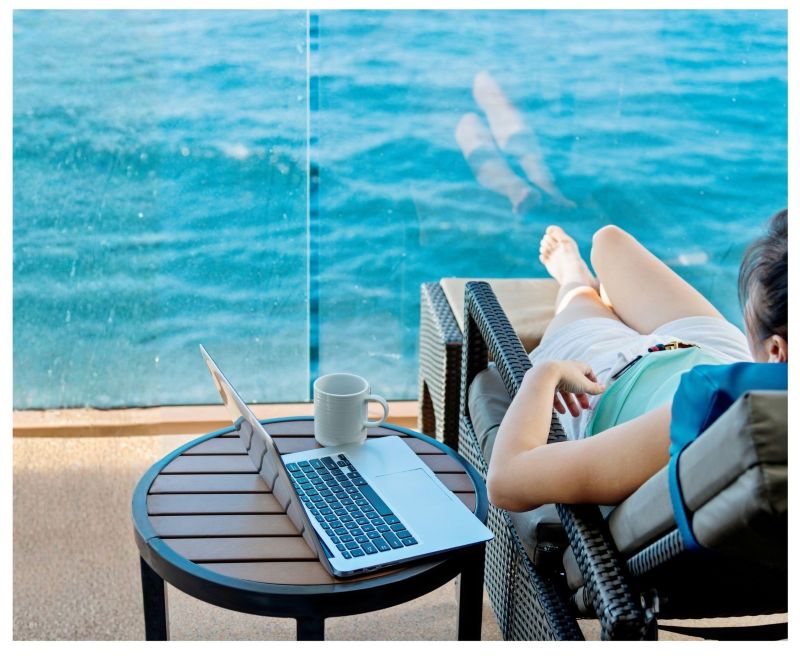
Design plays a critical role in this evolution. Ships are increasingly conceived as social spaces rather than floating hotels. Expect fewer formal zones and more multipurpose environments that shift from coworking hubs during the day to social venues at night.
Strong visual identities, thoughtful interiors and Instagrammable moments are not superficial add-ons; they’re part of how younger guests document and share their journeys, extending the cruise experience well beyond the voyage itself.
Tech-led Transformation
Technology underpins much of this transformation. Mobile-first interfaces now support everything from dining reservations to wellness bookings, while apps and wearables help guests navigate ships seamlessly. For a generation used to intuitive digital ecosystems, frictionless tech is not a bonus—it’s an expectation. At the same time, there’s an appetite for balance, with digital convenience supporting, rather than replacing, human connection.

F&B is another area of reinvention. Rotating chefs, regionally inspired menus and casual, high-quality concepts reflect a preference for discovery and informality. Traditional dress codes and fixed dining times are giving way to more relaxed, inclusive approaches that reflect how younger audiences socialize and eat on land.
Taken together, these trends point to a broader rethinking of what cruising can be: experience-led, values-driven and creatively designed; something for incentive planners and those planning meetings at sea to keep in mind.
Check out the IMEX Frankfurt Exhibitor Directory here; search “cruise.”