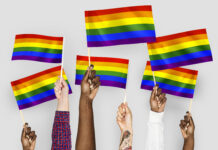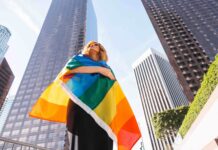


A new study from Booking.com suggests that destination selection and attendee safety may carry higher stakes than ever for LGBTQ+ participants.
There’s a growing gap between LGBTQ+ individuals’ desire to travel and confidence in doing so safely, according to the Booking.com 2026 Travel Proud Research, which surveyed more than 13,300 LGBTQ+ travelers across 19 countries. While the findings focus mainly on leisure travel, they raise important considerations for meeting planners whose attendees may be asked to travel to destinations they would not otherwise choose.
The research bore out that travel still poses challenges for LGBTA+ folks, — 58% of those surveyed said they experienced at least one negative incident related to their gender or sexual identity while traveling during the past year. However, 82% reported at least one positive experience, so while problems remain, perhaps some progress that has been made.
Business Travel Creates Unique Challenges
While leisure travelers can pick and choose where they go, meeting attendees have no choice but to travel to the meeting’s host destination. While 45% said they felt relaxed when traveling for work, more than half of respondents, 52%, said they feel anxious. Even more telling, nearly one-quarter (23%) said they have hidden their identity on work trips to ensure their safety.
Even though a significant percentage are anxious at best about traveling for work, they don’t feel like they have much choice if they want to keep their job safe: Only half of respondents said they would feel comfortable declining a business trip to a high-risk destination without fear of harming their career.
The findings suggest that attendees invited to conferences, incentive trips or customer events may be weighing factors that planners may not be taking into consideration. While registration numbers may look strong, some employees may choose not to attend, may limit participation in networking events, or may feel compelled to conceal aspects of their identity during the event.
Part of the problem may be related to communication gaps. Nearly half of respondents said their companies do not clearly communicate travel policies and resources, and 46% reported not feeling adequately briefed on local LGBTQ+ laws before traveling to a new destination.
These concerns bear out in other aspects of their professional lives as well. For example, the study found that 58% of LGBTQ+ employees have avoided applying for jobs at companies that lack clear LGBTQ+ travel protections, while 44% have turned down lucrative business opportunities because of safety concerns or insufficient employer support.
For organizations that rely on meetings and incentive travel to attract, motivate and retain talent, those numbers suggest that travel policies are becoming part of the employer value proposition.
Destination Selection Matters
One of the report’s most revealing findings is that many LGBTQ+ travelers actively modify their behavior depending on where they travel.
Globally, 40% said they would be willing to hide their identity in order to visit a bucket-list destination. Less than one-third said they are openly LGBTQ+ while traveling. Among all respondents, 18% reported changing their behavior to avoid judgment or ensure safety, while 14% changed their appearance or clothing to avoid unwanted attention.
To ensure LGBTQ+ attendees feel they can be themselves while at the meeting, it’s important to think beyond just infrastructure, accessibility and cost when sourcing a destination. Attendee comfort and inclusion also need to be part of the package, because while a destination may appear attractive from a budget perspective, it may also create anxiety for portions of the attendee population.
Visible Inclusion Makes a Difference
The research also offers guidance on what helps LGBTQ+ travelers feel welcome.
Among the most frequently cited positive experiences were things meeting professionals can control, such as ensuring staff create a welcoming first impression, having visible signs of inclusion such as Pride symbols or gender-neutral restrooms, and making sure there are LGBTQ+ employees working at their host venues. One top travel anxiety trigger for trans travelers — who reported negative travel experiences in significantly higher numbers — was having to use gendered restrooms.
Take a look at your venue selection criteria — does it include questions about staff training, inclusivity practices and restroom options? Event organizers can also communicate attendee resources in advance and ensure that onsite staff understand how to respond to concerns.
DEI may not be something some meeting organizers can openly talk about right now, but attendee safety and inclusion are not just part of an acronym — they’re vital to the bottom line as well as the attendee experience.
The Booking.com study suggests that LGBTQ+ travelers are not necessarily traveling less. In fact, many continue to prioritize travel despite concerns. However, they are taking more precautions, researching destinations more carefully and paying closer attention to the support provided by employers and travel suppliers.
This means a planner’s destination due diligence now should extend beyond room rates and airlift. Understanding how attendees may experience a destination — and proactively addressing those concerns — could play a growing role in attendance, engagement and overall event success.
You May Also Be Interested In…
Chicago Pride 2026: The 55th Annual Chicago Pride Parade & More
NYC Pride 2026: A Celebration of Community and Advocacy
Image by atlascompany on Magnific