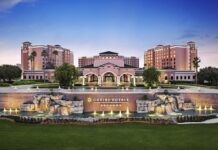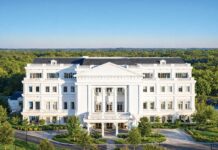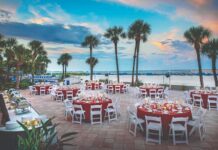

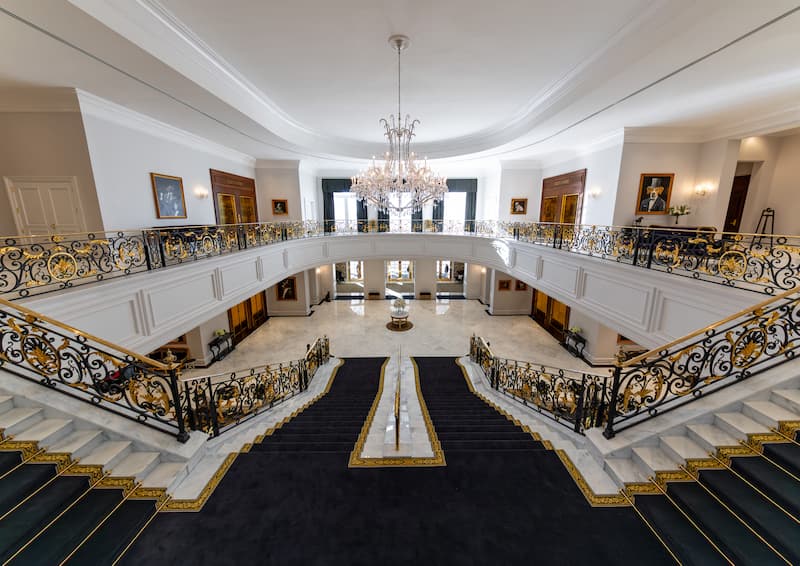
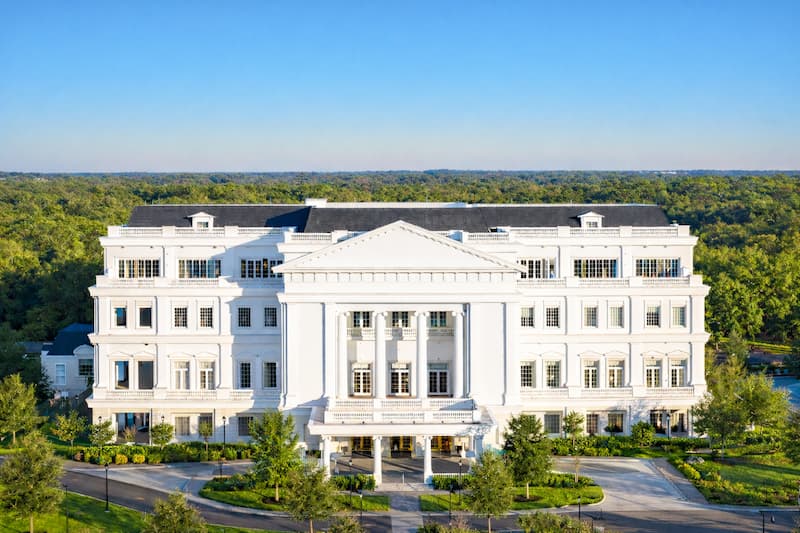
During a recent visit to World Equestrian Center (WEC) in Ocala, it became clear that the newly opened The Equestrian Manor is much more than an upscale meetings and events venue. With expansive spaces, four new dining concepts and rooftop venues overlooking the property, the development significantly expands what planners can create onsite.
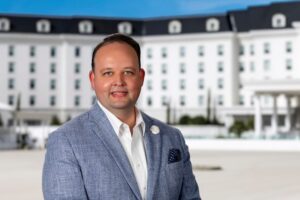
As World Equestrian Center continues to grow its presence in the meetings and events market, The Equestrian Manor is playing a central role in that evolution. We spoke with Jeremy Gow, Sr. Director of Hospitality Operations for World Equestrian Center, about what the new venue brings to planners, how it fills a key gap in the destination’s meetings offering and where they see the strongest opportunities moving forward.
Recommend: The Equestrian Manor adds more than 300,000 sq ft of event space—how does that change the type and scale of meetings you can now accommodate?
Jeremy Gow: The addition of more than 300,000 sq ft at The Equestrian Manor represents a significant expansion of our overall event footprint and a meaningful evolution in what we can offer the meetings market. While WEC has always had a wide range of event spaces across the property, The Manor allows us to host larger-scale meetings while continuing to accommodate smaller, more intimate gatherings—often simultaneously.
Recommend: What gaps in your meetings offering does this new venue specifically solve?
Gow: The Equestrian Manor was the missing piece that allows us to fully compete in the meetings market. WEC already had a strong foundation with its destination appeal, accommodations and a wide range of existing event spaces, including expansive expo and arena facilities that have long supported large-scale events and competitions, but we didn’t have a purpose-built event venue that could match the scale and sophistication of what groups expect at this level. The Equestrian Manor solves that. Grand and junior ballrooms, intimate meeting rooms, pre-function areas and expansive indoor-outdoor spaces including two rooftop venues—it was designed from the ground up for high-impact events, not adapted from existing space. For planners, that distinction matters enormously in terms of flow, flexibility and the overall quality of the experience.
Recommend: The Manor introduces four new dining concepts—how are planners incorporating these into event programming beyond standard group dining?
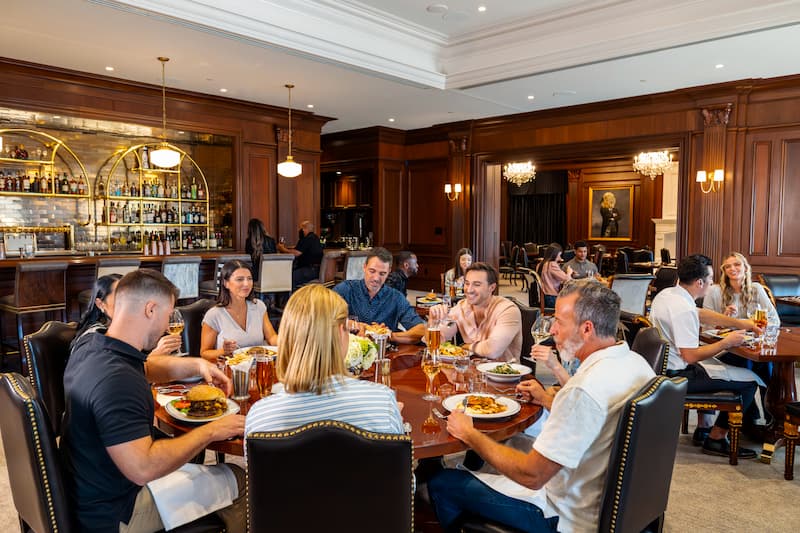
Gow: The rooftop venues in particular have become a natural anchor for evening programming—welcome receptions, closing dinners or hosted cocktail hours that give attendees a genuine sense of place and a memorable backdrop. When you have four distinctive concepts within a single venue, each with its own identity and setting, it becomes easy to give a 3-day conference a different feel every evening. We have worked closely with our culinary team to design F&B programs that feel intentional and curated—because that’s what elevates an event from good to genuinely memorable.
Recommend: Are you seeing demand for more interactive, chef-led or culinary-driven teambuilding experiences across the property?
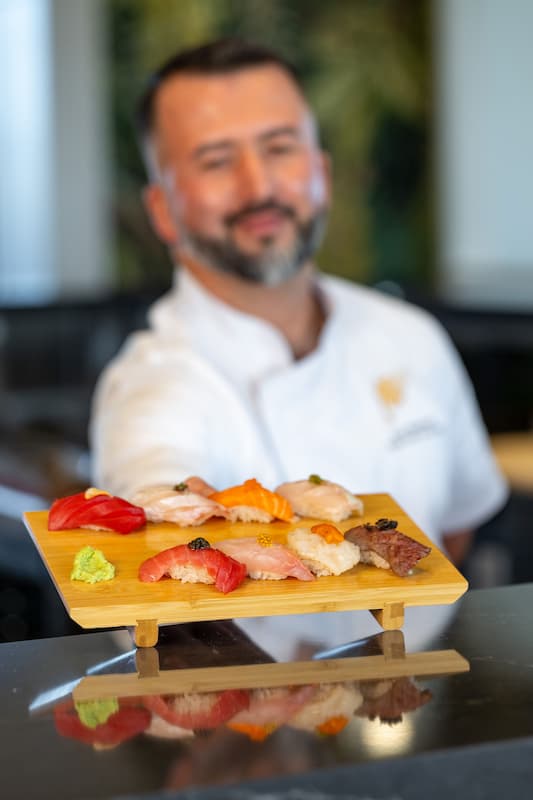
Gow: Absolutely, and it’s one of the areas where WEC’s culinary depth gives us a real advantage. With 13 distinctive dining concepts on property, led by an internationally trained culinary team, we have the talent and the infrastructure to offer experiences that go well beyond a standard cooking class. We’re in the process of continuing to develop this programming but it will definitely be one of our focus points as we further build out our offerings.
Recommend: With a venue of this scale in a more removed setting, how do you balance the appeal of a self-contained “oasis” with the realities of getting attendees there?
Gow: We lean into the oasis quality rather than apologize for it—because for the right group, that’s precisely the point. When attendees are fully immersed in a destination, not distracted by the noise of a major city, engagement goes up. The focus is on the program, the people and the experience. That said, we understand the logistics in getting here. Ocala is accessible—roughly 90 minutes from Orlando and Tampa and about 30 minutes from Gainesville—and we will work closely with planners on arrival coordination and group transportation. Once groups arrive, everything they need is here.
Recommend: How are you positioning World Equestrian Center within the broader Florida meetings landscape, particularly versus more traditional convention hubs?
Gow: WEC occupies a distinct position in the Florida meetings market, particularly in Central Florida, as we offer something this area has not seen before: a self-contained, experience-driven campus with a world-class culinary program, purpose-built event space and a setting that has its own identity and energy. Named one of TIME Magazine’s World‘s Greatest Places, WEC has earned third-party recognition that resonates beyond the meetings industry—and that gives planners a story to tell their attendees before they even arrive.
Recommend: What types of groups are you seeing the strongest demand from, and where does the property naturally outperform urban convention centers?
Gow: We’ve seen strong interest from corporate groups, conferences and multi-day events, particularly if they have already held an event here at WEC. We have been working diligently to expand the knowledge of our offerings and grow the demand across the industry. We feel that WEC outperforms urban convention centers in any situation where the destination itself needs to do meaningful work: where attendee engagement, retention, and morale matter as much as the logistics. Where WEC stands apart from traditional urban convention centers is in situations where the destination itself plays a meaningful role in the overall experience—where attendee engagement, retention, and morale are just as important as logistics. The integrated campus allows groups to host meetings, dining and activities all in one place, with enough variety in setting and programming to keep energy high over multiple days. The feedback we hear most consistently is that attendees arrive not quite knowing what to expect and leave genuinely impressed.
Recommend: How do you support transportation logistics—from airport transfers to group arrivals—to make the journey as seamless as possible?
Gow: We work hand in hand with planners from the earliest stages of the planning process to map out arrival logistics, group transfers, and on-property movement. Our team has experience managing large group arrivals and coordinating with preferred transportation partners to ensure the experience from the airport to WEC feels smooth and well-organized.
Recommend: Can you share examples of experiential activities that are only possible because of the property’s scale and setting?
Gow: This is where WEC is genuinely in its own category. The equestrian programming alone is something no urban convention center can replicate. The opportunity to experience world-class equestrian events has become a major selling point. Beyond that, the scale of the property allows for outdoor programming and group experiences that require real space and a real sense of place. We can host events that use the competition arenas, the grounds, and the surrounding landscape in ways that become the defining memory of the entire event. When your venue is built on a property that hosts the world‘s most prestigious equestrian competitions, the experiential possibilities are genuinely different.
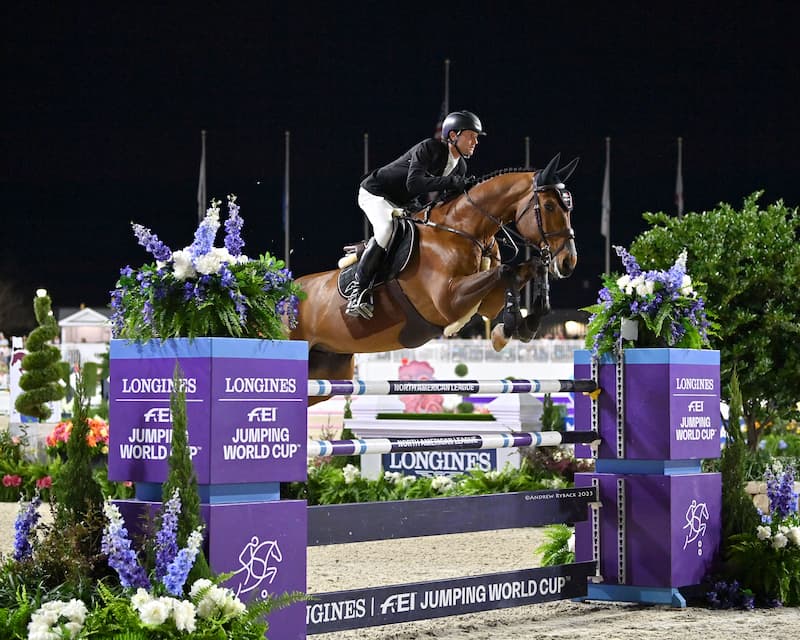
Recommend: How do you help planners integrate equestrian or outdoor elements into structured group programs?
Gow: It starts with a conversation about the group’s goals—what they want attendees to feel, take away, and talk about afterward. From there, our team works with planners to weave equestrian and outdoor elements into the program in a way that feels organic rather than forced. That might mean a private dinner overlooking an equestrian demonstration as an evening entertainment anchor or when possible behind-the-scenes access to a competition as a VIP touchpoint for top performers. The key is that these aren’t add-ons – they’re deeply native to what WEC is. Groups don’t need any equestrian background to find them compelling.