
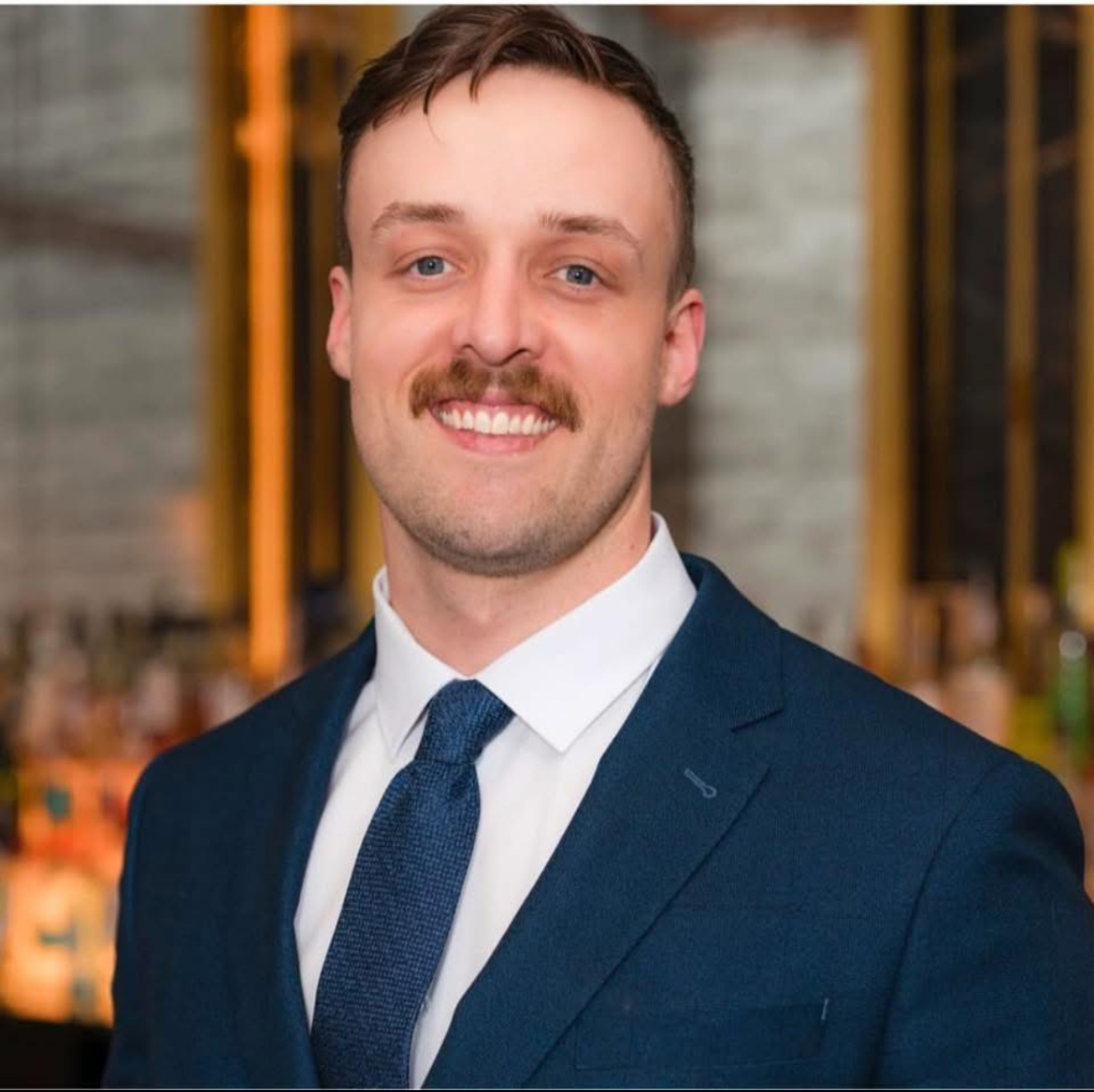
Gavin Miller on the art of designing beverages that elevate each dining experience
Walk into any great hotel restaurant and you will likely remember the food — but the beverage experience is what quietly shapes how you feel from the moment you arrive. Whether it’s a settling glass of wine after a long journey, a playful cocktail that transports you somewhere entirely new, or a restorative tea chosen to match your wellness intentions, the right drink in the right setting can define a guest’s entire stay.
This is not accidental. Behind every thoughtfully curated beverage menu is a deliberate strategy to match what’s in the glass to the mood, identity and purpose of each individual outlet — and to the broader story a hotel is trying to tell.
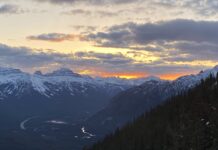
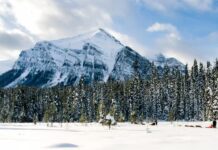
At the grand mountain resort in Alberta’s Banff National Park known as Fairmont Chateau Lake Louise, that philosophy is being brought to life across five distinct restaurants and bars, and a world-class wellness facility, each with its own beverage identity.
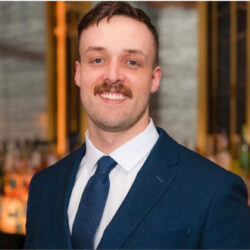
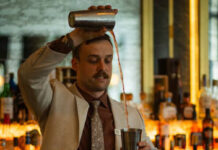
At the helm is Gavin Miller, the hotel’s Beverage Director, whose career spans celebrated cocktail bars in Montreal, fine dining wine programs, brand ambassadorship, and spirits education. Since arriving at Lake Louise about a year and a half ago, Miller has been reimagining what each outlet pours and why — weaving together threads of locality, wellness, sustainability and storytelling into a cohesive yet strikingly varied offering. Prevue sat down with him to find out how it’s done.
Prevue: Tell us a little about your background and how you came to this role.
Miller: I started my beverage career in Montreal bartending in my late teens and early twenties, and I really threw myself into the craft cocktail world. I worked at two bars that are now in Canada’s Top 100 and from there moved into bar management at a fine dining and wine restaurant where I worked alongside the chef to develop interesting beverage pairings. My last role in Montreal hospitality was at the Four Seasons, where I was one of the opening bartenders. I also have worked as a brand ambassador for a rum company and doing spirits education with some of the local hotel schools. When COVID hit and everything shut down in Montreal, I transitioned to brand management at Brown-Forman. That was a great experience, but I missed hospitality. When I saw this position come up in Lake Louise, I applied — and here we are.
Prevue: How would you describe the beverage director role?
Miller: It’s about 30% pure creativity — menu direction, flavor concepts, working with outlet managers and bartenders to develop what we’re pouring. Another 30% is quite the opposite: the purchasing, inventory, costing and financial analysis for the entire hotel. And the final third is relationship management — supplier relations, media outreach, and getting to know the right people in the industry here in the west, which has been an adventure coming from Montreal.
It’s a position that really is the sum of every skill a great bartender needs, just applied at enormous scale. I did study economics before I dropped out to bartend, and I’ve made peace with the fact that the data analysis side of things is actually quite useful when everything is this large.
Prevue: You have five outlets plus a wellness facility. How do you develop a distinct beverage identity for each one?
Miller: It was daunting at first, but once I got the hang of it, it became freeing — because there truly is a place for everything. Guests at a resort like this stay for three days or more and they’re not leaving the property for dinner. If every outlet feels the same, it doesn’t matter that you have five of them. The goal is for each to have its own clear identity, so a guest’s experience at Lakeview feels genuinely different from their evening in Walliser Stube or Fairview Bar. Running through all of them, though, are common threads: a sense of place, a nod to wellness and a commitment to locality.
Lakeview is the lobby bar, and a lobby bar is really an extension of the guest’s room — often their very first touch point with the hotel beyond check-in. So the approach there is comfort and approachability. We have classics reimagined — a French 75 with a touch of violet, a margarita kissed with hibiscus — just a small twist to make it interesting without taking anyone out of their comfort zone. We also have a seasonal menu: Winter Warmers in the cold months, and Summer Sippers for the patio season, with low-ABV options so guests can have a few without feeling it.
Walliser Stube is the 100-year-old Swiss-German fondue restaurant — dark wood, candlelight, classic service — and that’s where the serious wine lives. We have around 500 to 600 individual bottles, and the team is trained to WSET level two and three. The cocktail menu there is deliberately secondary to the wine, but I’m proud of it — Swiss-German classics like a Hugo or a Rüdesheimer Kaffee, made a little more austere and composed so they hold their own alongside that food and wine program.
Fairview is the dedicated cocktail bar of the hotel, and the concept changes yearly. This year it’s called Peaks and Palms — two contrasting worlds. The Peaks side is hyper-local, celebrating Alpine aromatics, local spirits and ingredients that speak to where we are. The Palms side leans into escapism: tequila and rum-forward cocktails with tropical, South American flavor profiles.
We also take sustainability seriously there. We have cocktails where we use the entire fruit in production — one involves Florida de Caña rum, an avocado cordial made from the flesh and skin, a lemongrass and ginger blend, and a rim made from dried and toasted avocado pit mixed with our own spice blend. Being in a national park, waste reduction isn’t just a marketing line — it genuinely matters, and it helps the bottom line too.
Louiza is our newest renovation — Mediterranean in feel, with a beautiful terrace. The spirit focus is gin, and the cocktail menu reflects Mediterranean beverage culture: a spritz section with white, rosé and red wine spritzes augmented with aperitivo blends and infusions; a rotating gin and tonic selection designed as an educational entry point for curious guests; and a signature section. One of those signatures, the Louiza Dirty Martini, uses a house-made brine with three types of Pecorino, three olive brines, and morel mushroom saline — which acts as an umami amplifier rather than tasting like mushroom. It was so popular we couldn’t take it off the menu. Another was created when a waiter named Steven came to me with a fig syrup he’d made at home on his day off. We built a fig and amaretto sour around it, using an old Tom gin. Steven sells it at every table. That’s the kind of staff-led creativity I love to harness.
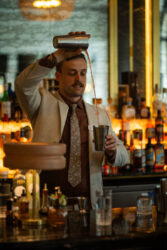 Alpine Social is the gastropub — the après-ski spot where a skier comes in after a long day on the mountain, orders a beer and a Canadian whisky, and watches hockey. The uniform is jeans and a plaid shirt. The wine list focuses on altitude-grown terroir, the beer selection has twelve taps with two rotating handles — one local, one dedicated to a fascinating Edmonton brewer doing open-air, funky fermentation. The cocktail menu is split between whisky classics with an Alpine twist, and pure fun: tequila, gin, low-ABV options. Nothing more complicated than: What do I want to drink with nachos?
Prevue: And the wellness facility — The BASIN Glacial Waters — is a different kind of challenge entirely?
Miller: Very much so. At altitude, in and out of saunas, alcohol hits differently — guests need to think about hydration above almost everything else. So the focus at The Basin is a non-alcoholic and hydration program: adaptogenic teas curated to the guest’s wellness intentions. We have teas to energize, teas to calm, teas to warm. Guests receive a wellness card when they arrive outlining their journey, and staff suggest which tea best matches where they are in that experience.
There are three signature cocktails available — referencing each of the regional Fairmont properties — but they’re almost a side note. The champagne program is the alcoholic centerpiece, and even that has non-alcoholic options. It’s a beautifully restrained kind of beverage thinking, and I’m proud that the tea program we’ve built there is sophisticated enough to carry the experience on its own.
Prevue: You also have non-alcoholic cocktails on each menu — and some of them are designed with children in mind?
Miller: Each menu has five non-alcoholic cocktails, two of which are geared towards children — though I’ll say upfront that some of our best-selling “kids cocktails” are being ordered by adults, which I find hilarious and completely wonderful. But the thinking behind them is genuine.
Kids are incredible guests if you actually engage them. We tend to default to a Shirley Temple and call it a day, and look, there’s not one child in the world who won’t be happy with a Shirley Temple. But if you can create something that actually captures a kid’s imagination, they might remember that drink for the rest of their life. That might be the first time they’ve ever been given a real window into the beverage world — shown that there are cool, interesting things beyond super-sugary drinks.
One of ours is a passion fruit, white cranberry and vanilla cordial with a touch of cherry, topped with a tiny cotton candy cloud. It’s fun and pretty and the kid feels special. Another uses a butterfly pea flower tea blend, which creates a striking deep blue color. When it comes into contact with anything acidic, it shifts to a bright lavender — so the drink arrives in two distinct layers, and when the child stirs it with their straw, the colors start to change before their eyes. It creates a genuine wow moment with no artificial dyes, no micro plastics — the kind of color-changing effect you sometimes see done with synthetic additives but made with an actual plant that does the same thing naturally. And the kid ends up drinking something that’s actually good for them.
We have a lot of families here — and Prevue readers will know that many corporate meeting and incentive attendees tack on a few extra days at Lake Louise to bring their families along. If I can give those parents even two minutes of respite because their child is completely absorbed by this cool drink in front of them, I’ve done my job. And if the kid isn’t happy, nobody’s happy. The hotel has a wonderful resort activities team doing incredible things for families at any given time. I felt the beverage program should signal that same awareness. Kids deserve a real experience too.
Prevue: Is there a philosophy that ties all of it together?
Miller: The goal is for every guest — whether they love wine, or rarely drink, or have never tried gin in their life — to leave any one of our outlets having had an experience that felt personal and comfortable. That’s really it. Lake Louise has been a place of significance and spirituality for generations of people. We’re in a national park. There’s a responsibility that comes with that. The beverage program should reflect the place, respect what’s around us, and invite the guest into something they maybe didn’t expect to enjoy. If someone sits down in one of our restaurants and gets taken on a little journey — through a cocktail, a wine pairing, a tea ritual — and comes away thinking, “I don’t usually like this, but I loved that,” then we’ve done our job.
You May Also Be Interested In…
Breakfast Is the New Power Session
Culinary Trends 2025: Caviar, Butter and Multi-Sensory Dining
Raise the Inclusivity Bar with Non-Alcoholic Drinks