
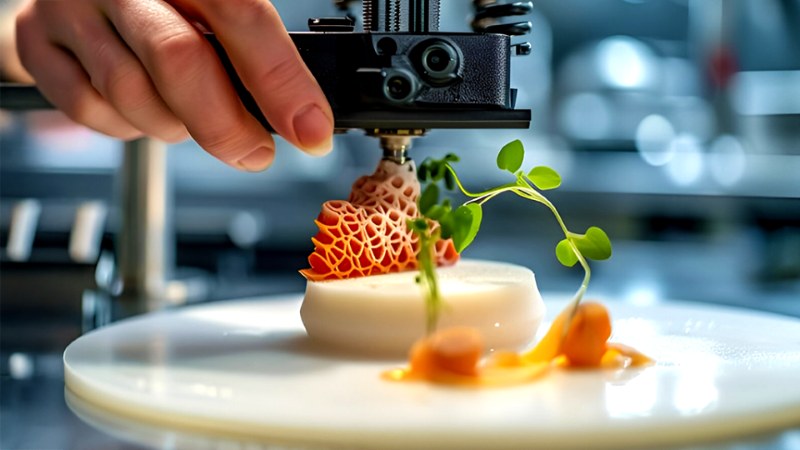
3D-printed food is quickly moving from novelty to narrative for meeting and event catering.
Sure, those 3D-printed cookies printed on site with a photo of your pet Pomeranian that an exhibitor hands out as a booth giveaway is cute, but it still is more of a gimmick than a genuine food trend, right? Maybe not. When you look at what’s emerging in VIP events and experimental hospitality, the 3D printed food situation looks a bit more layered.
For example, this year’s Cater+Event 2026 conference included a session on the topic called Transforming Event Catering with 3D Printing. Led by Houston Loper and Ava Scott-Wells of HL Catering, it pointed to ways the tech was used at the show, such as customized 3D-printed lollipops at the Opening Night Party, pasta with floral or geometric shapes and exquisitely crafted chocolate sculptures, according to this Catersource article.
During the session, the presenters talked about how caterers are using the technology beyond the food itself to produce custom plates, bowls and utensils that align with specific event themes, as well as branded molds and stencils for corporate gatherings.
As the Cater+Event use cases illustrate, the most immediate use case is visual. It’s also highly shareable. Think sponsor branding embedded in chocolate, geometric canapés that double as décor, or desserts that mirror a conference theme. In an era where attendees document everything, these delectable details can amplify the meeting’s, or sponsor’s, brand message far beyond the banquet hall.
While the aesthetics undoubtedly hold a high coolness factor, the real story is the technology’s ability to personalize.
Because 3D printing builds food layer by layer, it gives food preparers precise control over ingredients, structure and composition. That opens the door to highly tailored experiences: allergen-free bites produced on demand, texture-modified foods for those with accessibility needs, or wellness-focused menus calibrated to specific dietary goals. As meetings continue shifting toward attendee-centric design, this kind of customization aligns with the industry’s overall food and beverage innovation trajectory.
There’s also a sustainability angle that’s starting to gain traction. Food printers can work with plant-based pastes, upcycled ingredients, and even food waste streams that can be reformulated into new products. For planners under pressure to deliver on ESG commitments, that creates an opportunity to turn sustainability from a behind-the-scenes effort into a visible, story-driven part of the event. Imagine a dessert station where attendees learn that what they’re eating was created from repurposed ingredients. That’s an opportunity to turn basic sustainability into something that’s memorable — and very sharable.
The Big Picture
Just two years ago, the global 3D food printing market was valued at $1.3 billion; it now is forecast to reach $3.2 billion by 2030. Big brands are already experimenting with 3D food printing. For example, Barilla has leveraged specialized pasta printers to create bespoke shapes for limited-edition campaigns, while Hershey’s has experimented with chocolate 3D printing to launch its personalized gifting line. In restaurants, hotels and event catering, Michelin-starred chefs and specialty bakers are using 3D printing to craft visually gorgeous, personalized desserts and dishes on demand.
The rise in experiential dining, where presentation and storytelling are the centerpieces, has driven 3D food printing in restaurants and hotels who want to use it to create visually striking and customized dishes. 3D printers also can help hotels and restaurants — and meeting planners — cater to diverse dietary needs with precision, aligning with global trends in personalized nutrition and wellness.
But one of the fastest growing usage is in the catering segment, also driven by the desire for innovation in food presentation and customization. 3D food printing offers operational benefits for caterers, enabling them to transform a single base of ingredients into multiple dishes and allowing them to accommodate varied food preferences without having to spend more to create a whole range of dishes and presentations. Also handy is that there’s a digital file for each printed food item that details its composition, ingredients and nutritional values — something that can help planners and caters better meet the increasing food safety and traceability needs of today’s foodies.
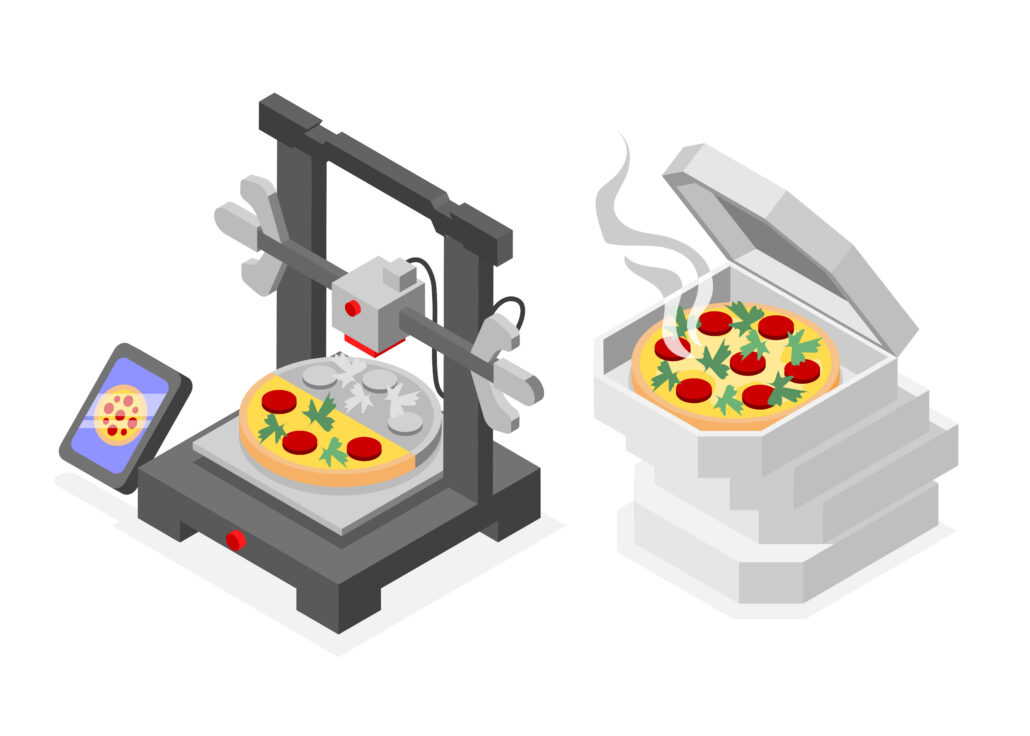
One sign that 3D food printing is hitting the mainstream for catered events: In August 2025, BeeHex announced a partnership with a major food service provider to develop a line of 3D-printed pizzas tailored for large-scale events, positioning itself to capitalize on the growing demand for personalized food experiences in the catering sector.
The overall trend appears to be that 3D printing is transitioning from being a novelty to becoming a practical tool meeting professionals can use to brand food and décor with custom logos, personalize offerings, increase kitchen efficiency and enhance their experiential dining experiences. The relatively low entry-level price point ($200+) means even smaller catering operations can experiment with the technology, which likely explains why it’s gaining traction across event types — not just high-end galas.
That said, it’s important to be remember the tech’s current limitations, including speed and scale. Printing is relatively slow compared to traditional kitchen production, and the equipment requires both investment and expertise.
Where 3D food printing currently can shine is in strategic events, such as VIP experiences, small-batch activations, innovation showcases and high-touch moments where impact matters more than volume and an edible brand identity is a tasty, and memorable, new way to tell the story.
You May Also Be Interested In…
Hotels Tap Local Culinary Connections for Groups
F&B Trends: A Feast for the Senses
Waste Not, Want Not: Avoiding Food Waste at Events
Image by macrovector_official on Freepik