
Could force majeure come into play for meetings and events affected by the U.S. government shutdown?
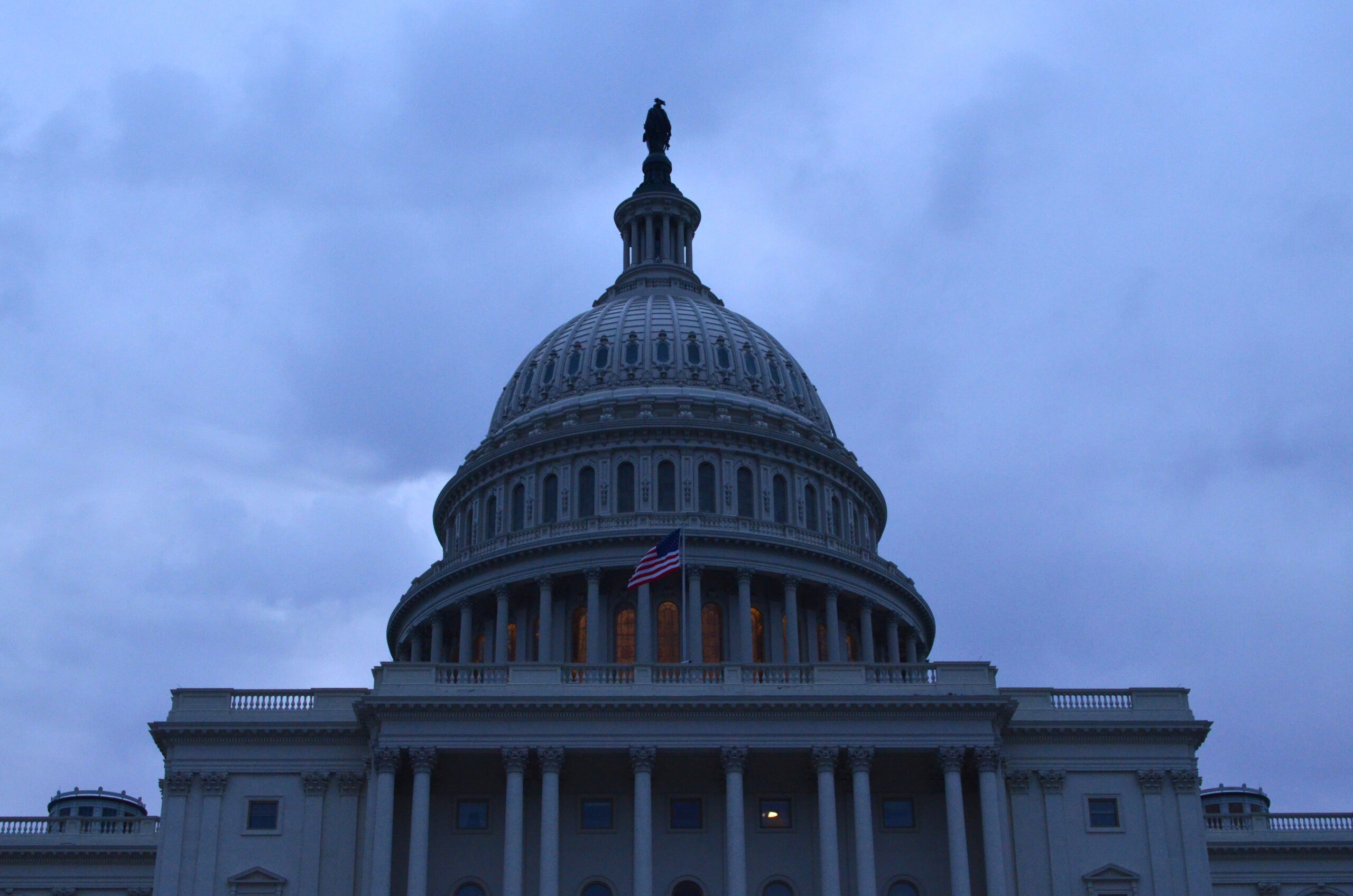
As the U.S. government shutdown grinds on into its third week, planners are becoming increasingly concerned about the potential legal implications it may hold for meetings and event planning, especially those involving federal agencies, government employees, or venues owned or operated by the government.
For example, could force majeure cover meetings that have been negatively affected by reduced attendance by federal employees? According to fiscal.treasury, only exempt government employees may travel during a shutdown, and even then, travel is restricted and must be approved on a case-by-case basis. Federal employees working during a shutdown may earn overtime but won’t receive payment until funding resumes. How about government employee speakers who no longer can speak due to shutdown contingencies? At what point would travel snarls reach a force-majeure level of impact on an event?
Prevue recently sat down with industry attorney Joshua L. Grimes, Grimes Law Offices, to learn more about the potential legal issues planners could find themselves contending with as a result of the U.S. government shutdown that started Oct. 1.
Prevue: What are some of the main ways the government shutdown could affect meetings and events to a force majeure-level?
Grimes: One possible element would be if your meeting depends on government personnel showing up as attendees or as speakers — if they’re furloughed and not being paid, they may not be able to show up. In fact, my understanding is that some federal agencies are prohibiting their personnel from attending non-governmental meetings. This normally would not in and of itself rise to the level of force majeure, unless your meeting is a government meeting. But if a significant number of your attendees and speakers are government personnel who can no longer attend, then arguably that could be a force majeure. Depending on how your contract clauses are written, that could call for a reduction in attendance without damages because it is a result of government action — meaning the shutdown and lack of funds make full performance impossible or commercially impracticable if government employees are not allowed to attend.
It depends on the language used, but I think you could make a strong case if not to cancel it but maybe reduce the size of the meeting without paying damages.
Prevue: Would that also hold if your meeting depends, either for attendance or speakers, on non-government personnel who depend on government grants that may have been canceled, such as researchers who present at medical and scientific meetings?
Grimes: I think that’s more of a question, but it could also be a reason to declare force majeure and reduce the size of the meeting.
Prevue: There has been a lot of discussion about the potential effects on air travel if the shutdown persists long enough that essential workers who are working without pay, such as air traffic controllers and TSA agents, stop showing up for work. Could planners consider this as a potential force majeure trigger?
Grimes: At this point, it’s really more of an inconvenience than anything — most people can still get flights, they just may be delayed or have to rebook. I do not believe that inconvenience is a force majeure. If in fact, airports do shut down in the future, that could constitute a force majeure. But just inconvenience and longer lines at the airport, while they might deter people from attending, I don’t think are enough to constitute a reason for cancellation — it’s not yet illegal, commercially impossible or impracticable for them to fly.
This is still an emerging situation. If they’re not able to resolve their differences, then this is going to become an interesting situation that may move closer to force majeure. But we’re not there yet. Hopefully we won’t get there.
Prevue: What can meeting and event planners do to help reduce potential issues related to the government shutdown that could affect their events?
Grimes: Both planners and suppliers need to be sensitive to the current circumstances. While it may not be legally required, it would be helpful to instruct attendees to get to the airport earlier than they would otherwise. And if you have a meeting coming up in the near term that depends on federal government speakers, it would behoove the planner to consider contracting alternate speakers.
It’s also a good idea to review contracts with government entities to ensure they include force majeure or termination clauses that address government shutdown risks. Also check that the provisions determine allowable actions and liability when events are canceled or changed due to federal inaction. If needed, renegotiate event contracts — including payment schedules and cancellation clauses — to ensure they protect the meeting host organization from liability or losses due to a shutdown.
You May Also Be Interested In…
The Impact of a Government Shutdown on Travel
Exclusive: ECA’s Tommy Goodwin on the Government Shutdown
Government Shutdown Impacts D.C. Tourism Industry
Image by DejaVu Designs on Freepik